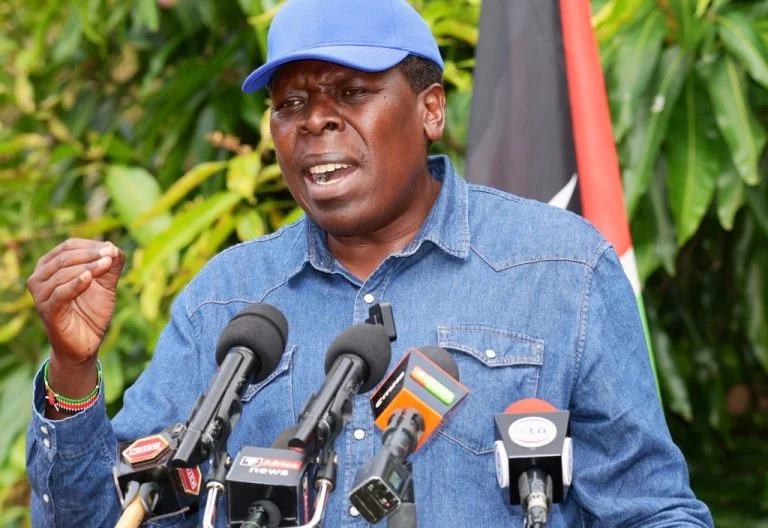
DAP-Kenya leader Eugene Wamalwa has dismissed claims of political disunity within the Luhya community, asserting that the disagreements are confined to the political leaders backing different formations, not the community members themselves. Despite varying political support, Wamalwa emphasizes that the Luhya community remains cohesive and united in its cultural identity and social bonds.
Political Divisions Among Leaders, Not the Community
Wamalwa explained during a recent media interview that the perceived divisions are mainly among politicians who are part of different political parties, rather than the Luhya people at large. He pointed out that the community's unity should not be mistaken for the political alliances that often shift with electoral cycles. The community continues to share strong cultural ties and interests that transcend party lines.
This situation highlights the complex nature of regional politics in Kenya, where leadership disagreements are often conflated with community unity. Wamalwa's remarks serve to reassure the Luhya people and the wider public that their cultural solidarity remains intact despite political rivalries.
While some Luhya leaders support President William Ruto’s re-election, others have expressed disappointment over the Kenya Kwanza administration's promises, reflecting the diverse political loyalties within the community. Nevertheless, these differences in political support have not caused a fracture in the community's social fabric.
As Kenya approaches crucial electoral phases, the emphasis on unity and cohesion among communities such as the Luhya is vital for maintaining regional stability and fostering development. Wamalwa's stance encourages a focus on community interests over political disputes, promoting a united front for future political engagement and social progress.