 Diana Muthini
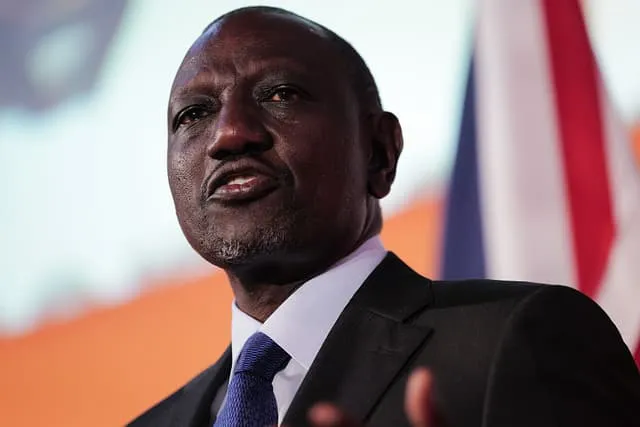
In the fast-paced world of politics, where every word spoken by a leader is weighed, interpreted, and sometimes magnified beyond its original intent, moments of humor often stand out. Recently, William Ruto once again found himself at the center of public attention—not for policy or political strategy, but for a lighthearted remark about his wife, Rachel Ruto.
During a public engagement, the President casually joked, “I already have a wife; her name is Rachel, and she knows how to cook for me.” The statement, delivered with a smile and a relaxed tone, immediately drew laughter from the crowd. What might have remained a fleeting humorous moment quickly transformed into a widely discussed topic across social media platforms, news outlets, and everyday conversations in Kenya and beyond.
A Leader’s Human Side
Political leaders are often viewed through the lens of authority, responsibility, and decision-making. Yet, moments like these remind citizens that leaders are also human—capable of humor, affection, and personal expression. For many supporters, the remark showcased a relatable and down-to-earth side of President Ruto. It painted a picture of a man comfortable enough in his public role to share a glimpse of his private life.
In a country where political discourse can sometimes feel tense or divisive, such moments of levity offer a refreshing break. They humanize leadership, making it easier for citizens to connect with those in power on a personal level rather than solely a political one.
The Role of Rachel Ruto in the Narrative
While the joke may have seemed simple, it also brought attention to the First Lady. Rachel Ruto has long been recognized for her active role in community initiatives, women’s empowerment, and faith-based programs. By referencing her in a humorous context, the President indirectly highlighted her presence in his life and, by extension, her role in the nation’s public sphere.
However, the comment also sparked varying interpretations. Some viewed it as a playful acknowledgment of traditional family roles, while others questioned whether such statements reinforce outdated stereotypes about women’s responsibilities. This duality of interpretation is precisely what fuels public debate in the digital age.
Social Media: Amplifier of Every Word
In today’s interconnected world, a single sentence can travel faster than ever before. Within minutes of the President’s remark, clips and quotes began circulating online. Platforms like X (formerly Twitter), Facebook, and TikTok turned the statement into trending content, with users sharing opinions, memes, and commentary.
Some Kenyans celebrated the humor, calling it harmless and entertaining. Others took a more critical stance, analyzing the deeper implications of the words. This spectrum of reactions highlights the evolving nature of public discourse—where humor, culture, gender roles, and politics intersect in complex ways.
Humor in Leadership: A Double-Edged Sword
Humor can be a powerful tool in leadership. It can diffuse tension, build rapport, and make a leader appear approachable. Yet, it can also be misunderstood or taken out of context, especially in a diverse society with varying perspectives and values.
For William Ruto, this is not the first time a casual remark has sparked widespread conversation. Like many global leaders, his words carry weight, and even jokes are subject to scrutiny. This reality underscores the delicate balance leaders must maintain between authenticity and caution.
Culture, Tradition, and Changing Times
Kenya is a nation rich in cultural diversity, with traditions that shape societal expectations and norms. In many communities, cooking and household roles have historically been associated with women. However, as society evolves, these roles are increasingly being redefined.
The President’s comment, whether intended as a simple joke or not, inadvertently touched on this broader conversation. It opened a space for dialogue about gender roles, modern relationships, and how public figures influence societal perceptions.
Beyond the Joke: What It Means for Public Engagement
At its core, the widespread reaction to this remark reveals something deeper about the relationship between leaders and citizens. People are listening—not just to policies and speeches, but to every word, every joke, and every gesture.
This level of engagement can be seen as a positive sign of a vibrant democracy. Citizens are not passive observers; they are active participants in shaping narratives, holding leaders accountable, and interpreting messages in ways that reflect their own values and experiences.
Conclusion: A Moment That Sparked More Than Laughter
What began as a lighthearted comment by William Ruto quickly evolved into a national talking point. It entertained, it provoked thought, and it ignited discussions that go beyond the surface of humor.
In the end, such moments remind us that leadership is not only about governance but also about communication, perception, and connection. Whether one views the remark as harmless humor or a statement worthy of critique, one thing is certain—it captured attention and brought people together in conversation.
And perhaps, in a world often dominated by serious headlines, a little laughter—paired with meaningful dialogue—is not such a bad thing after all.