 Victor Elvis Mugambi
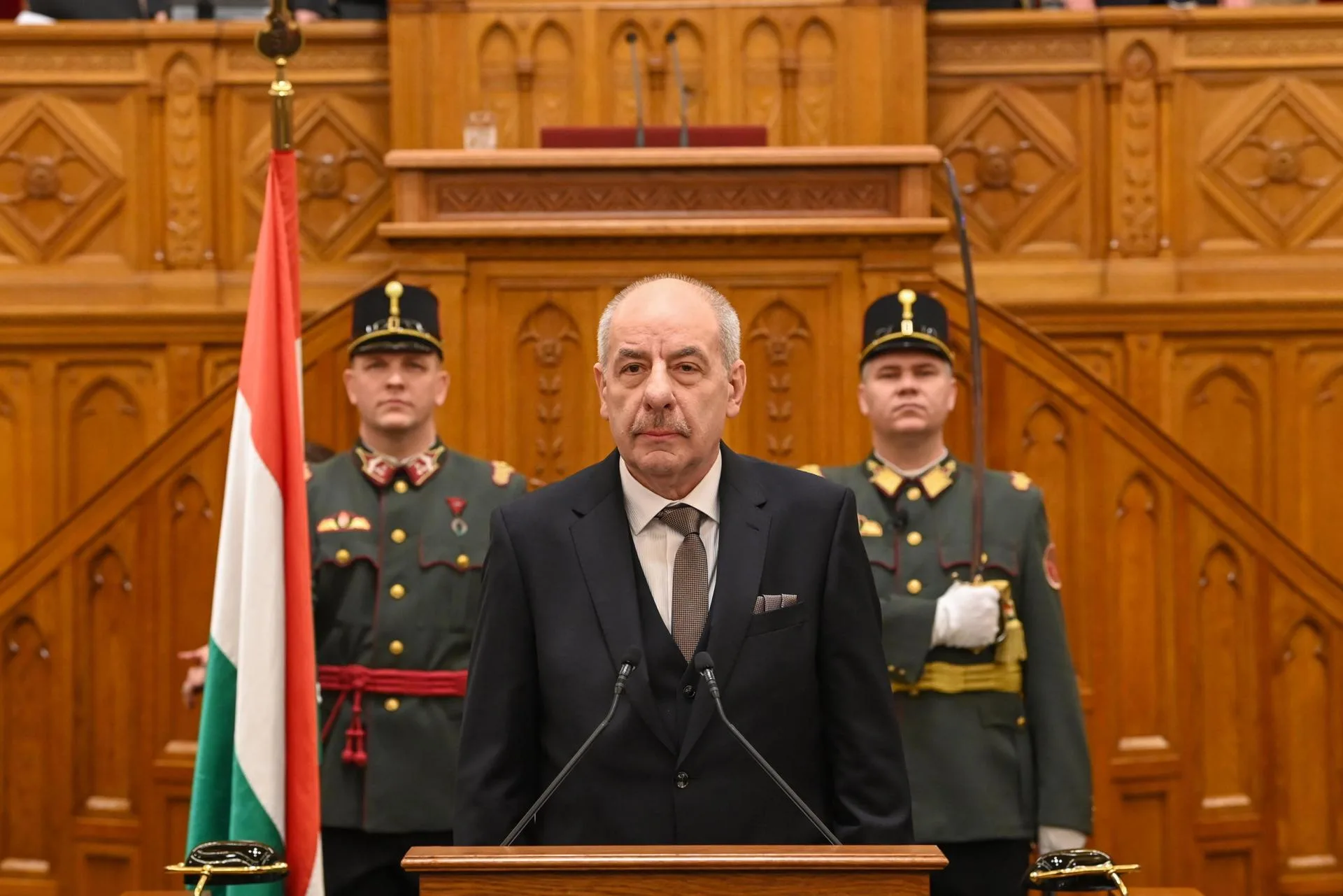
In a notable political move, Hungarian President Tamás Sulyok signed a constitutional amendment that effectively ends his own mandate. This unprecedented step was taken amidst ongoing political debates and opposition to his presidency, and it has significant implications for Hungary's governance.
Political Developments and Constitutional Changes
The decision by President Sulyok to sign the amendment comes after a period of intense political turmoil. The amendment, which was swiftly enacted, aims to conclude his presidency and circumvent potential impeachment proceedings that had been looming over his tenure. This move underscores the complex and often contentious nature of constitutional and political processes in Hungary.
The move has sparked mixed reactions within Hungary and among international observers. Some view it as a pragmatic solution to political deadlock, while others see it as a controversial attempt to sidestep constitutional challenges. The political landscape in Hungary continues to be dynamic, with ongoing debates about governance, legitimacy, and the rule of law.
Supporters argue that the decision ensures stability and respects constitutional provisions, whereas critics contend it may set a precedent for executive actions that bypass traditional parliamentary procedures. The situation remains closely watched as it unfolds.
The immediate consequence of this action is the formal conclusion of Tamás Sulyok's presidency, which had been marked by political tensions and disputes over constitutional authority. It also raises questions about future political reform and the potential for similar measures in Hungary's future governance.