 Victor Elvis Mugambi

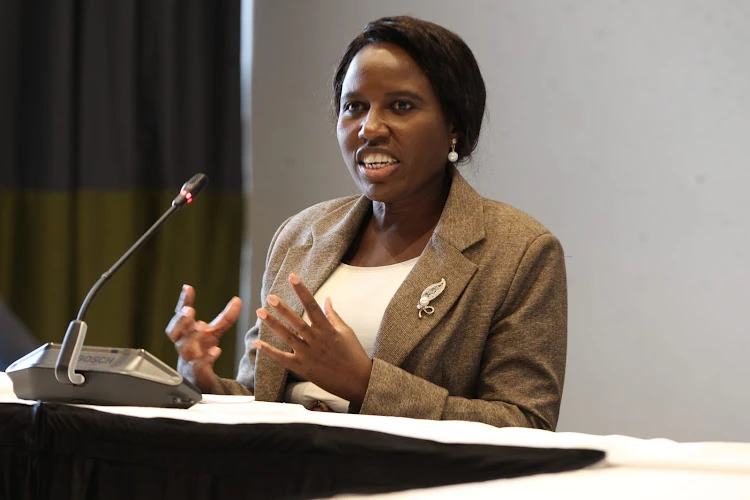
In a recent political analysis, Gladys Wanga has expressed bold predictions about the upcoming 2027 elections, foreseeing a major surge in coalition votes. Her forecasts highlight a potential reconfiguration of Kenya's political alliances, which could significantly influence the country's governance landscape.
Anticipated Coalition Mergers and Voting Surge
Wanga's forecast centers around the expected merger of significant political entities, notably ODM and UDA, which she believes will combine their support to reach an unprecedented 17 million votes. This anticipated coalition constitutes a formidable force, capable of shaping policy and governance for years to come.
The implications of such a merger extend beyond mere numbers; they could redefine political power dynamics and electoral strategies across Kenya. The predicted vote surge demonstrates a heightened political engagement and possibly changing voter loyalties, driven by new alliance strategies and policy agendas.
Furthermore, this trend indicates a possible shift towards more consolidated political fronts, which might influence governance, policy continuity, and the overall political stability of Kenya. Wanga’s insights reflect a potential turning point in the nation’s democratic process and electoral landscape.
As the 2027 elections approach, political analysts and stakeholders will be closely watching these developments, assessing their impact on Kenya's future governance and Jos the broader socio-political fabric of the country. The predicted increase in coalition votes underscores the critical importance of strategic alliances and voter mobilization in the upcoming electoral cycle.