 Victor Elvis Mugambi
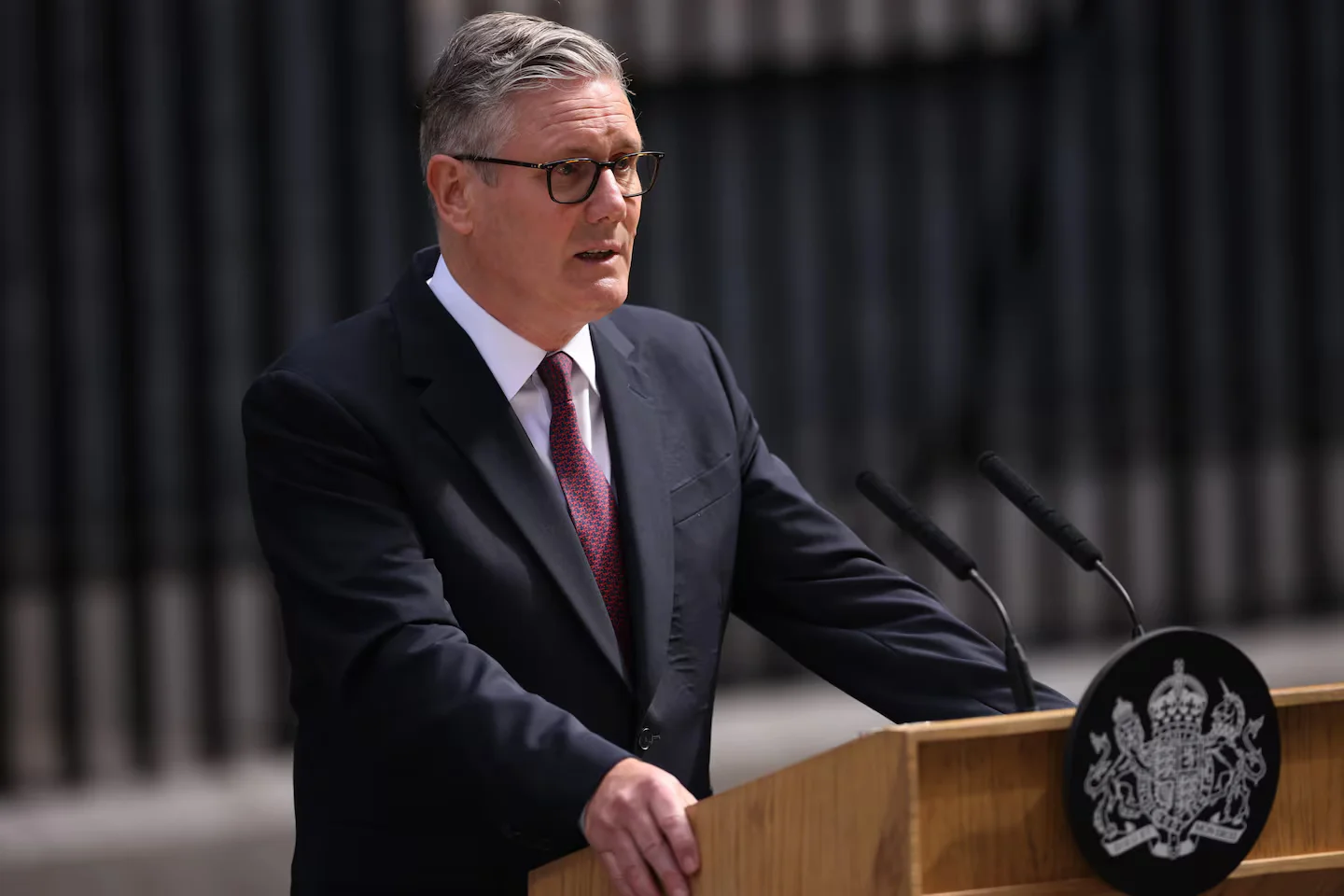
In a surprising development, Keir Starmer has announced his resignation as UK Prime Minister, a decision that is expected to have profound implications for the country's political landscape. The resignation comes amidst a turbulent political climate and signals a potential shift in leadership and policy directions.
Impact and Next Steps
Starmer's departure is likely to trigger a series of political realignments, with the Labour Party and other political entities preparing for leadership transitions. The resignation narrows the current political stability and raises questions about future policies and the direction of governance in the UK.
The impact of this resignation extends beyond the immediate political sphere. It affects policy prospects, investor confidence, and the country's international relations, especially as the UK faces ongoing domestic and global challenges.
As the political scene develops, stakeholders and citizens will be closely watching the next steps, including the selection of a new leader and the potential policy shifts that may follow. This transition period will be critical in shaping the UK's future amidst shifting political dynamics.
Experts suggest that the coming weeks will be pivotal, with political parties and the government working to stabilize the situation and reassure the public and international partners. The nation's focus will be on leadership and policy continuity during this period of change.