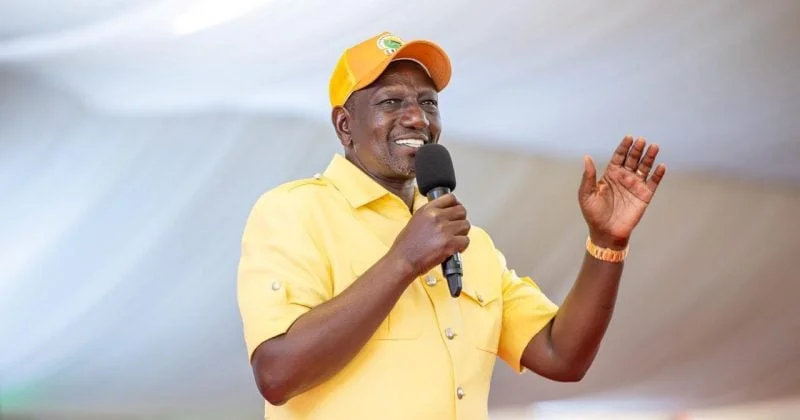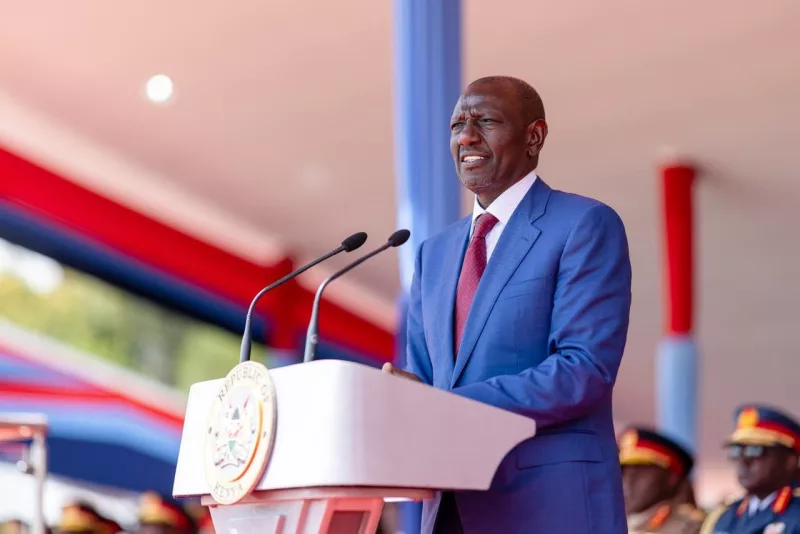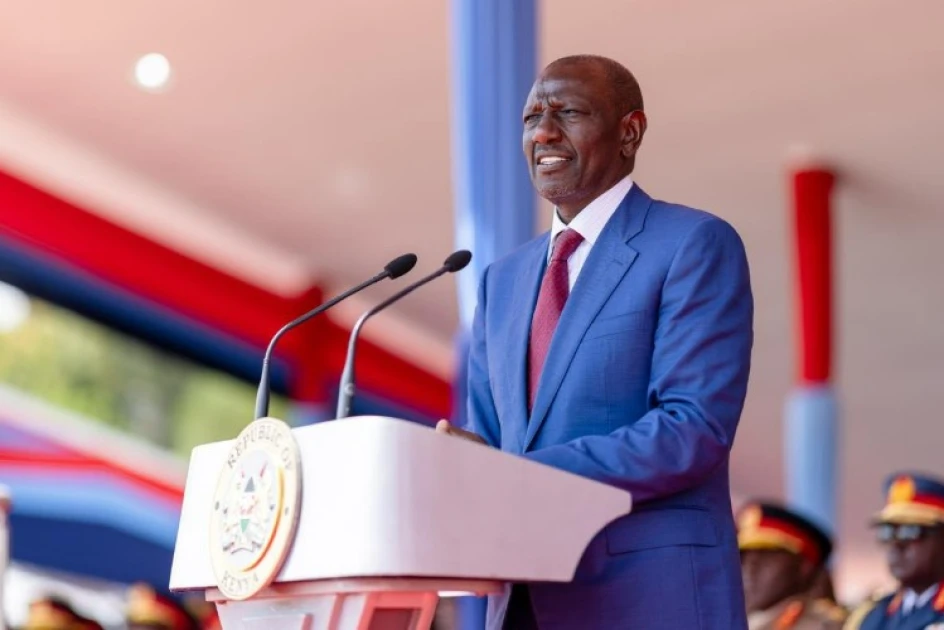
President William Ruto of Kenya has strongly dismissed ethnic-based political groupings and tribal politics, urging voters to prioritize development records when electing leaders. His comments come amid ongoing political tensions and opposition criticisms that allege tribal favoritism and divisive campaigning.
Kenya's Call for National Unity and Development-focused Politics
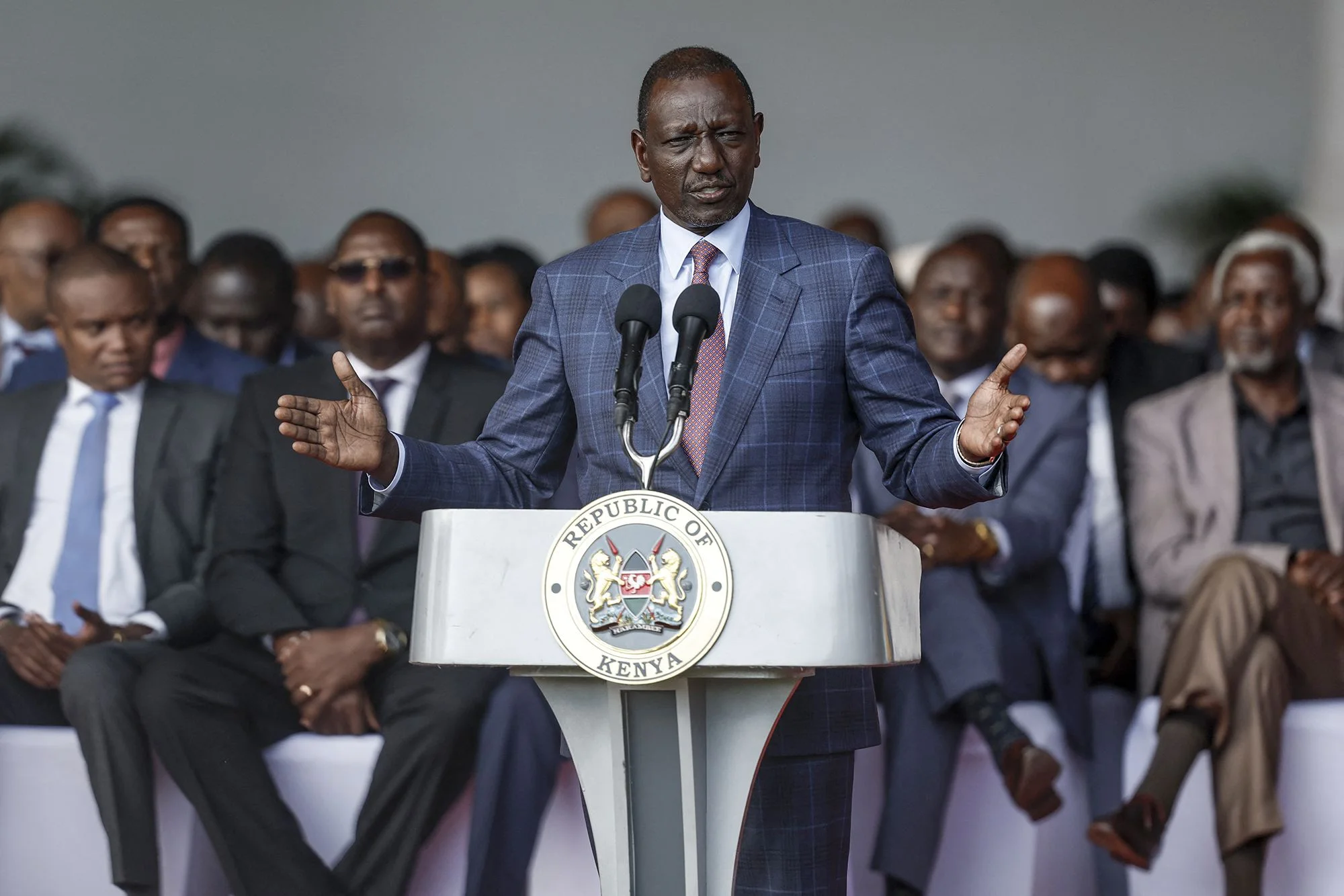
In a recent statement, President Ruto emphasized that all elected leaders share the responsibility of maintaining the country's unity. He asserted, "Kenya has no room for tribal politics. Voters are interested in the development records of each one of us," highlighting his stance against ethnicity-driven electoral strategies. This appeal aims to foster a political environment where merit and progress take precedence over tribal affiliations, aligning with Kenya's broader national interests.
The president's stance reflects a significant shift towards policies focused on development and good governance, encouraging Kenyans to vote based on leadership qualities and track records. His call is seen as an effort to unite a nation historically divided along ethnic lines, especially during election seasons when tribal loyalties tend to dominate political discourse.
Such messages from the Kenyan leadership underscore the importance of moving beyond tribal politics to build a cohesive society centered on transparency, growth, and development. The president's leadership indicates a desire to steer the country towards a more inclusive political culture that prizes national identity over ethnic loyalties, which many believe is crucial for Kenya’s sustainable progress.
As Kenya approaches upcoming elections, the focus on rejecting tribal politics is likely to influence voter behavior and political strategy. President Ruto's call for unity and development-oriented voting practices aims to foster a more stable, united Kenya, capable of leveraging its diverse strengths for national growth.