 Victor Elvis Mugambi
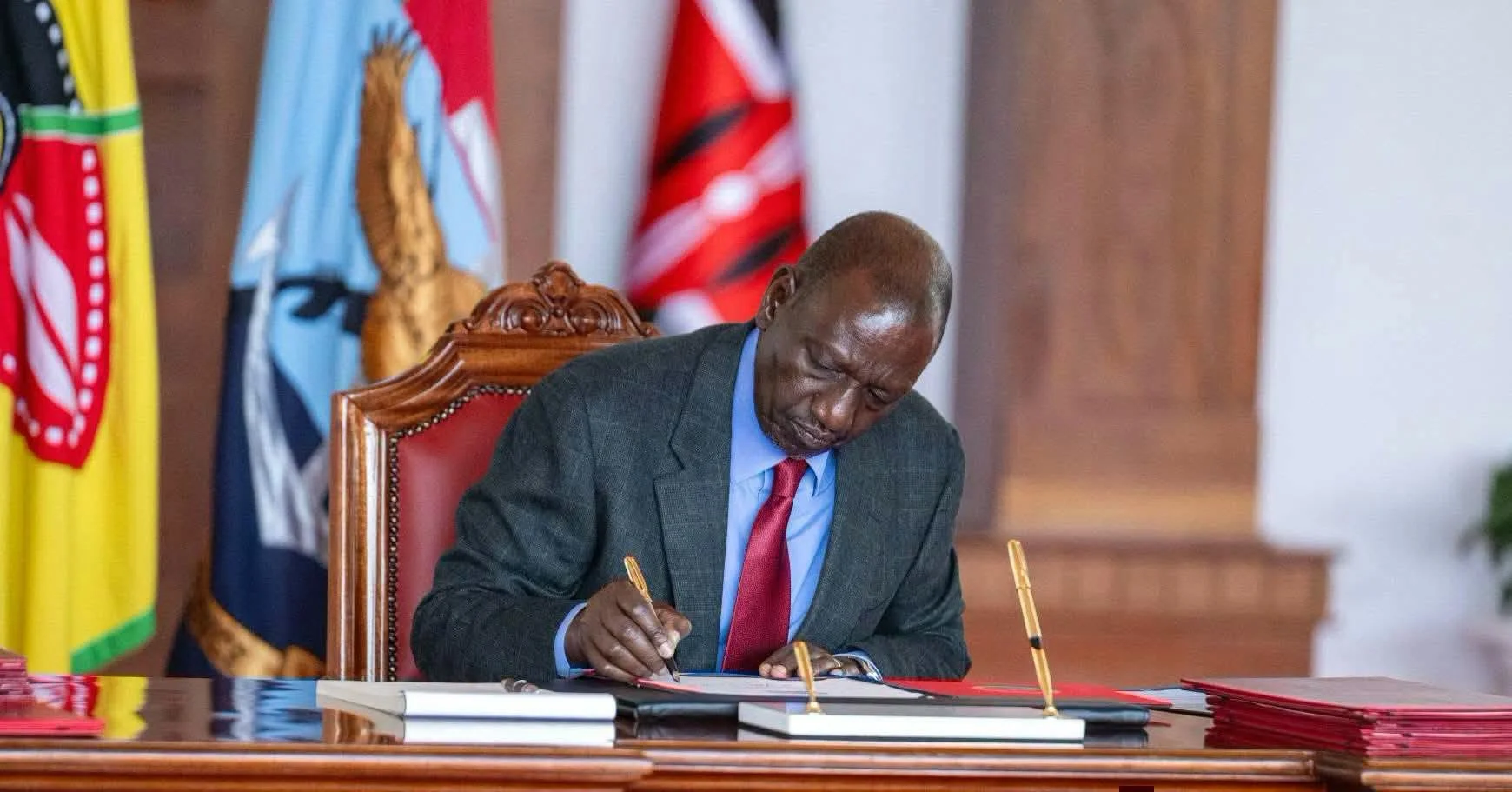
President Ruto has officially assented to the Central Bank of Kenya (Amendment) Bill, 2026, marking a significant step towards strengthening Kenya's financial governance. This new law aims to enhance the Central Bank of Kenya's ability to safeguard financial stability, improve banking supervision, and modernize the country's monetary policy framework.
Enhanced Parliamentary Oversight and Institutional Reforms
The law introduces mandatory vetting and approval of the CBK Deputy Governor nominees by the National Assembly, aligning the appointment process with that of the Governor. This move significantly bolsters parliamentary oversight over the central bank's leadership roles and ensures greater accountability in financial governance.
Further, the law updates legal references, replacing the now-defunct Deposit Protection Fund Board with the Kenya Deposit Insurance Corporation, ensuring the legal framework remains current and aligned with Kenya's deposit protection system. The law also grants the CBK expanded authority to deal in gold and other precious metals as part of its reserve management strategy, reinforcing Kenya's monetary policy instruments.
Additional Financial and Policy Reforms
In addition to financial oversight reforms, President Ruto signed the Parliamentary Pensions (Amendment) Bill, 2023, into law. This legislation harmonizes pension benefits for MPs and Senators, updates the definition of a child to under 18 years, and restructures pension management committees to reflect Kenya’s bicameral Parliament structure, promoting fairness and efficiency in pension administration.
These legislative changes signal Kenya’s commitment to strengthening governance, ensuring the independence and accountability of key financial institutions, and aligning statutory frameworks with the country's constitutional principles and modern standards.