 Victor Elvis Mugambi
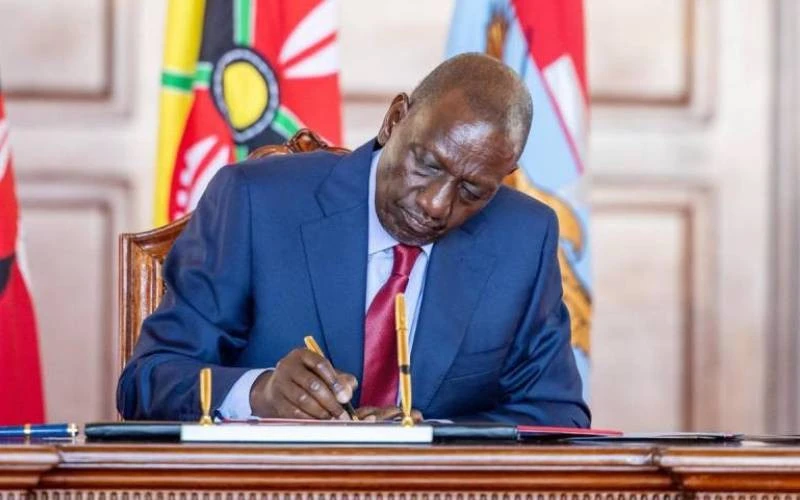
In a notable development in the realm of policy and governance, President Ruto has officially enacted the Finance Bill 2026 into law after it received approval from the nation's lawmakers. This legislative milestone underscores the government's commitment to advancing fiscal reforms aimed at strengthening economic stability.
Legislative Approval and Presidential Assent
The journey of the Finance Bill 2026 from legislative proposal to law was marked by rigorous debate and approval within the parliamentary chambers. Following the legislative process, President Ruto formally assented to the bill, making it a binding statutory framework for the country.
This legislative action is expected to bring significant changes to fiscal policies, affecting taxation, government spending, and economic regulation. It reflects a strategic move by lawmakers and the executive branch to address key economic challenges and promote sustainable growth.
Furthermore, the enactment of the bill demonstrates the government's emphasis on transparent governance and fiscal responsibility. Stakeholders within the financial sector and the broader public are closely watching the implementation phase to assess its impact on the economy and governance practices.
As the law takes effect, it will be crucial to monitor how these policies are executed and their ensuing effects on public finance and governance transparency, reinforcing the country's policy and governance frameworks.