 Faith Masita
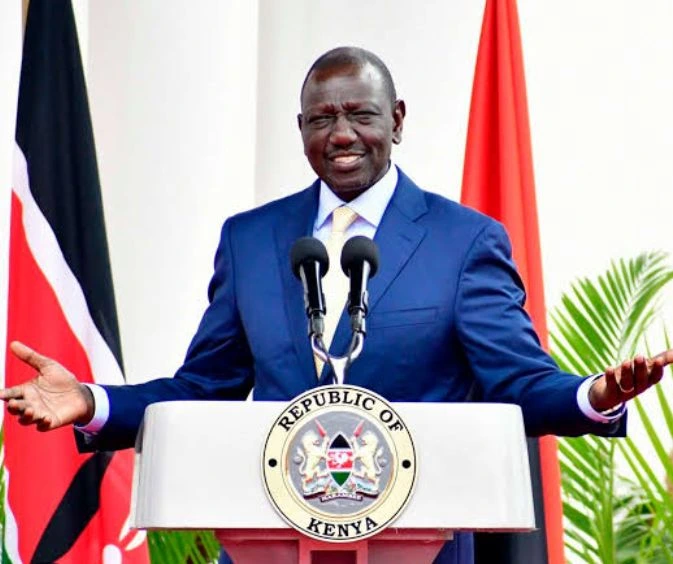
President has pushed back against mounting criticism over the pace and scope of development in Northern Kenya, insisting that his administration is making “deliberate and measurable” progress in historically marginalised regions.
Speaking during a tour of counties in the North, Ruto rejected claims that his government has sidelined the region, arguing instead that ongoing infrastructure, water, and security projects are beginning to transform livelihoods. He framed the criticism as politically motivated and disconnected from realities on the ground.
“We are not engaging in token projects. What is happening in Northern Kenya is structured, funded, and designed to deliver long-term impact,” Ruto said, pointing to road construction, expansion of electricity connectivity, and investments in water access as key pillars of his administration’s agenda.
The President highlighted flagship road projects linking remote towns, saying improved connectivity will unlock trade and ease the cost of living. He also referenced ongoing borehole drilling and irrigation initiatives aimed at addressing chronic water shortages and boosting food security in arid and semi-arid areas.
However, local leaders and civil society groups have continued to question the pace of implementation, arguing that many projects remain incomplete or have yet to directly impact communities. Concerns over insecurity and limited access to basic services such as healthcare and education have also persisted, despite government assurances.
Ruto acknowledged the challenges but maintained that systemic issues in Northern Kenya require sustained investment rather than quick fixes. “For decades, this region was left behind. It cannot be transformed overnight, but the foundation we are laying is solid,” he said.
The President’s remarks come amid increased political scrutiny as leaders position themselves ahead of future electoral cycles, with development records likely to feature prominently in public debate.
Analysts note that Northern Kenya remains a critical test of the government’s commitment to equitable development, with expectations high among residents who have long called for meaningful inclusion in national growth.