 Diana Muthini
More Than Just a Railway
Kenya’s railway system is not simply a network of steel tracks and locomotives—it is a living story woven into the country’s history, economy, and identity. For over a century, trains have moved people, goods, and ideas across vast landscapes, shaping towns, livelihoods, and national progress. The journey of Kenya Railways Corporation is one of ambition, struggle, decline, and remarkable revival.
The Beginning: A Colonial Dream That Changed a Nation
The origin of Kenya’s railway dates back to the late 19th century under British colonial rule. The construction of the Uganda Railway began in 1896, starting from Mombasa and stretching inland toward Kisumu at Lake Victoria.
The railway was intended to connect the interior of East Africa to the coast, making it easier for the British to control territories and transport raw materials. However, the project faced fierce criticism due to its high cost and dangerous conditions. It earned the nickname “Lunatic Express,” reflecting skepticism and controversy.
Construction was anything but easy.
Thousands of laborers, many from India, worked under harsh conditions. Disease, extreme weather, and wildlife posed constant threats. Among the most chilling episodes was the attack by the notorious Tsavo lions, which killed several workers and became part of railway legend.
Despite these challenges, the railway was completed in 1901. What seemed like a risky colonial venture would soon become one of the most influential developments in East Africa’s history.
The Birth of Cities and Economic Transformation
The Uganda Railway did more than transport goods—it gave birth to cities. One of the most notable examples is Nairobi, which started as a simple railway depot before growing into Kenya’s capital and economic hub.
The railway opened up the interior regions, allowing agriculture and trade to flourish. Farmers could now transport crops like tea, coffee, and maize to markets more efficiently. Trade routes expanded, and economic activity increased significantly.
Towns along the railway line grew rapidly, becoming centers of commerce and culture. The railway connected communities, making movement easier and fostering interaction among diverse groups of people.
Post-Independence Era: A New Chapter Begins
After Kenya gained independence in 1963, the railway system remained a critical asset. Initially managed under the East African Railways and Harbours Corporation, the system served Kenya, Uganda, and Tanzania.
However, in 1977, the regional corporation collapsed, leading to the formation of the Kenya Railways Corporation. This marked the beginning of Kenya’s independent management of its railway system.
At the time, the railway was still a dominant mode of transport. It handled both passenger and freight services, supporting industries and connecting regions. But over the years, things began to change.
Decline: When the Tracks Lost Their Power
From the 1980s into the early 2000s, Kenya’s railway system experienced a significant decline. Several factors contributed to this downturn.
Road transport became more popular and flexible, drawing passengers and businesses away from trains. Meanwhile, railway infrastructure aged without sufficient maintenance. Locomotives broke down more often, delays became common, and efficiency dropped.
Mismanagement and financial challenges further weakened the system. Many Kenyans began to see trains as outdated and unreliable. For a time, it seemed like the once-powerful railway was fading into history.
The Revival: A Bold Step into the Future
Recognizing the importance of rail transport, the Kenyan government launched efforts to modernize the system. The most ambitious project in this revival is the Standard Gauge Railway.
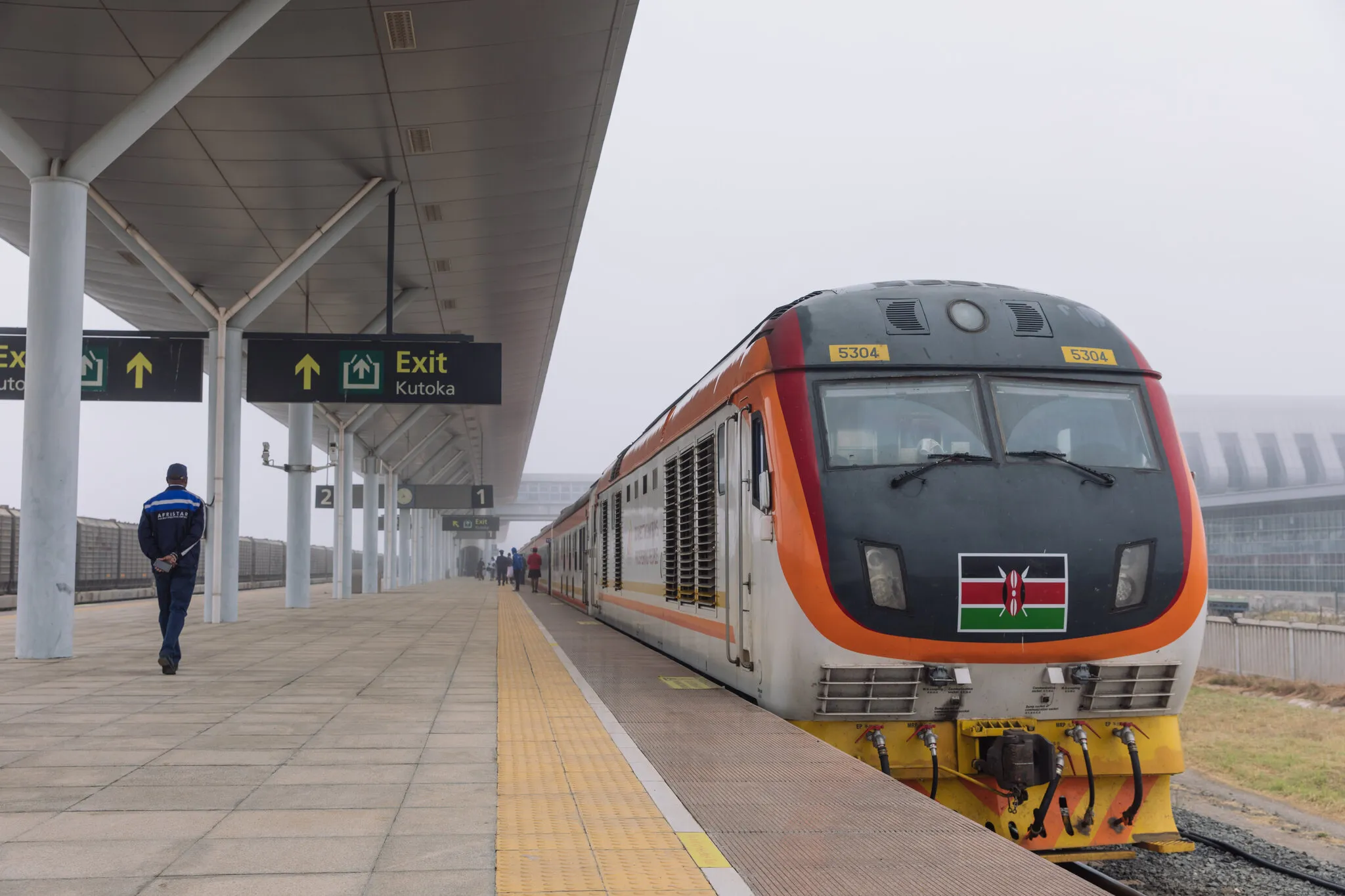
The Standard Gauge Railway (SGR) was introduced to replace the old meter-gauge system with a faster, more efficient line. The first phase, connecting Mombasa to Nairobi, was completed in 2017. Later, the line was extended to Naivasha.
The SGR brought a new era of rail travel. Passenger services, such as the Madaraka Express, offer comfort, speed, and reliability. Freight services have also improved, enabling faster transportation of goods from the port of Mombasa to inland destinations.
This modern railway has significantly reduced travel time and improved logistics, marking a turning point in Kenya’s transport sector.
Economic Impact: Driving Growth and Development
Kenya Railways plays a vital role in the country’s economy. By transporting cargo efficiently, it supports trade and reduces the cost of doing business. The SGR, in particular, has eased congestion on major highways, reducing road damage and accidents.
The railway also contributes to job creation, both directly and indirectly. From construction to operations, thousands of Kenyans benefit from employment opportunities.
In addition, improved transport infrastructure attracts investment, boosts tourism, and enhances regional trade. The railway is not just a mode of transport—it is a driver of economic transformation.
Social and Cultural Significance
Beyond economics, the railway holds deep social and cultural value. It has connected people across regions, breaking down barriers and fostering unity. Generations of Kenyans have stories tied to train journeys—whether for work, school, or family visits.
The railway also symbolizes resilience. From the struggles of its construction to its modern revival, it reflects the determination to overcome challenges and build a better future.
Challenges Facing Kenya Railways Today
Despite the progress, Kenya Railways still faces challenges. The cost of building and maintaining modern infrastructure is high. The SGR project, while transformative, has raised concerns about debt and sustainability.
There is also a need to expand the network further to reach more regions and improve connectivity. Integrating railway transport with other modes, such as road and port systems, remains a key priority.
Efficient management and innovation will be essential to ensure long-term success.
The Future: A Vision on Track
Looking ahead, Kenya Railways has the potential to become a leading transport system in Africa. Plans to extend the railway to neighboring countries could strengthen regional integration and trade.
With continued investment, modernization, and strategic planning, the railway can support Kenya’s vision for industrial growth and economic prosperity.
Conclusion: A Journey That Continues
The story of Kenya Railways Corporation is far from over. From its dramatic beginnings as the Uganda Railway to its modern transformation through the SGR, it remains a powerful symbol of progress.
Trains continue to move across Kenya, carrying goods, passengers, and the promise of a brighter future. The railway is not just part of Kenya’s past—it is a vital part of its journey forward.
Kenya’s railway system is not simply a network of steel tracks and locomotives—it is a living story woven into the country’s history, economy, and identity. For over a century, trains have moved people, goods, and ideas across vast landscapes, shaping towns, livelihoods, and national progress. The journey of Kenya Railways Corporation is one of ambition, struggle, decline, and remarkable revival.
The Beginning: A Colonial Dream That Changed a Nation
The origin of Kenya’s railway dates back to the late 19th century under British colonial rule. The construction of the Uganda Railway began in 1896, starting from Mombasa and stretching inland toward Kisumu at Lake Victoria.
The railway was intended to connect the interior of East Africa to the coast, making it easier for the British to control territories and transport raw materials. However, the project faced fierce criticism due to its high cost and dangerous conditions. It earned the nickname “Lunatic Express,” reflecting skepticism and controversy.
Construction was anything but easy.
Thousands of laborers, many from India, worked under harsh conditions. Disease, extreme weather, and wildlife posed constant threats. Among the most chilling episodes was the attack by the notorious Tsavo lions, which killed several workers and became part of railway legend.
Despite these challenges, the railway was completed in 1901. What seemed like a risky colonial venture would soon become one of the most influential developments in East Africa’s history.
The Birth of Cities and Economic Transformation
The Uganda Railway did more than transport goods—it gave birth to cities. One of the most notable examples is Nairobi, which started as a simple railway depot before growing into Kenya’s capital and economic hub.
The railway opened up the interior regions, allowing agriculture and trade to flourish. Farmers could now transport crops like tea, coffee, and maize to markets more efficiently. Trade routes expanded, and economic activity increased significantly.
Towns along the railway line grew rapidly, becoming centers of commerce and culture. The railway connected communities, making movement easier and fostering interaction among diverse groups of people.
Post-Independence Era: A New Chapter Begins
After Kenya gained independence in 1963, the railway system remained a critical asset. Initially managed under the East African Railways and Harbours Corporation, the system served Kenya, Uganda, and Tanzania.
However, in 1977, the regional corporation collapsed, leading to the formation of the Kenya Railways Corporation. This marked the beginning of Kenya’s independent management of its railway system.
At the time, the railway was still a dominant mode of transport. It handled both passenger and freight services, supporting industries and connecting regions. But over the years, things began to change.
Decline: When the Tracks Lost Their Power
From the 1980s into the early 2000s, Kenya’s railway system experienced a significant decline. Several factors contributed to this downturn.
Road transport became more popular and flexible, drawing passengers and businesses away from trains. Meanwhile, railway infrastructure aged without sufficient maintenance. Locomotives broke down more often, delays became common, and efficiency dropped.
Mismanagement and financial challenges further weakened the system. Many Kenyans began to see trains as outdated and unreliable. For a time, it seemed like the once-powerful railway was fading into history.
The Revival: A Bold Step into the Future
Recognizing the importance of rail transport, the Kenyan government launched efforts to modernize the system. The most ambitious project in this revival is the Standard Gauge Railway.
The Standard Gauge Railway (SGR) was introduced to replace the old meter-gauge system with a faster, more efficient line. The first phase, connecting Mombasa to Nairobi, was completed in 2017. Later, the line was extended to Naivasha.
The SGR brought a new era of rail travel. Passenger services, such as the Madaraka Express, offer comfort, speed, and reliability. Freight services have also improved, enabling faster transportation of goods from the port of Mombasa to inland destinations.
This modern railway has significantly reduced travel time and improved logistics, marking a turning point in Kenya’s transport sector.
Economic Impact: Driving Growth and Development
Kenya Railways plays a vital role in the country’s economy. By transporting cargo efficiently, it supports trade and reduces the cost of doing business. The SGR, in particular, has eased congestion on major highways, reducing road damage and accidents.
The railway also contributes to job creation, both directly and indirectly. From construction to operations, thousands of Kenyans benefit from employment opportunities.
In addition, improved transport infrastructure attracts investment, boosts tourism, and enhances regional trade. The railway is not just a mode of transport—it is a driver of economic transformation.
Social and Cultural Significance
Beyond economics, the railway holds deep social and cultural value. It has connected people across regions, breaking down barriers and fostering unity. Generations of Kenyans have stories tied to train journeys—whether for work, school, or family visits.
The railway also symbolizes resilience. From the struggles of its construction to its modern revival, it reflects the determination to overcome challenges and build a better future.
Challenges Facing Kenya Railways Today
Despite the progress, Kenya Railways still faces challenges. The cost of building and maintaining modern infrastructure is high. The SGR project, while transformative, has raised concerns about debt and sustainability.
There is also a need to expand the network further to reach more regions and improve connectivity. Integrating railway transport with other modes, such as road and port systems, remains a key priority.
Efficient management and innovation will be essential to ensure long-term success.
The Future: A Vision on Track
Looking ahead, Kenya Railways has the potential to become a leading transport system in Africa. Plans to extend the railway to neighboring countries could strengthen regional integration and trade.
With continued investment, modernization, and strategic planning, the railway can support Kenya’s vision for industrial growth and economic prosperity.
Conclusion: A Journey That Continues
The story of Kenya Railways Corporation is far from over. From its dramatic beginnings as the Uganda Railway to its modern transformation through the SGR, it remains a powerful symbol of progress.
Trains continue to move across Kenya, carrying goods, passengers, and the promise of a brighter future. The railway is not just part of Kenya’s past—it is a vital part of its journey forward.