 Wambui Faith
MWINGI NORTH, Kenya – A cloud of grief and fear has settled over Tseikuru Sub-county following a daring daylight attack on Saturday, April 25, that left seven people dead and several others fighting for their lives.
The attack, which occurred at the Kwa Kamari Trading Centre bordering the Mwingi North Game Reserve, is being described as one of the deadliest escalations of inter-community violence in the region in recent years.
The Attack: A Town Under Siege
At approximately 2:00 PM, a gang of about 40 heavily armed bandits—reportedly arriving in two unmarked Probox vehicles—stormed the trading centre. According to eyewitnesses and local authorities, the attackers opened fire indiscriminately on residents using automatic rifles and machetes.
The carnage resulted in the deaths of six men and one woman. In addition to the loss of life, the attackers razed a petrol station, three shops, and a motorcycle before fleeing back toward the game reserve.
Tseikuru Deputy County Commissioner Ann Mwangi confirmed the fatalities, stating that the bodies were moved to the Kyuso Level IV Hospital morgue, while one survivor remains in critical condition at Tseikuru Level IV Hospital.
The Root Cause: A Cycle of Retaliation
Security officials believe the raid was a retaliatory strike stemming from a long-standing conflict between local residents and pastoralist groups over grazing rights.
The National Police Service (NPS) noted a timeline of escalating violence:
March 29: A 44-year-old local herdsman was killed near the Mwingi Game Reserve.
March 30: A retaliatory attack left four members of the pastoralist community dead.
April 25: The current raid, which claimed seven lives.
Political Outcry
The incident has sparked sharp criticism from political leaders. Wiper Party leader Kalonzo Musyoka, who hails from the region, described the attack as a "national tragedy" and a "governance failure."
"The blood of these seven Kenyans is not only on the hands of the killers but also on a government that has looked away from the suffering of its people," Kalonzo stated, demanding immediate accountability from the Ministry of Interior.
The Way Forward: Restoring Peace and Security
To prevent Mwingi from spiraling into further chaos, a multi-pronged approach is necessary:
1. Immediate Security Reinforcement
Inspector General of Police Douglas Kanja has already dispatched a high-level team led by Deputy IG Eliud Lagat to oversee operations. However, residents are calling for the establishment of permanent police posts along the border of the Mwingi Game Reserve to act as a buffer against armed encroachers.
2. Disarmament and Border Patrols
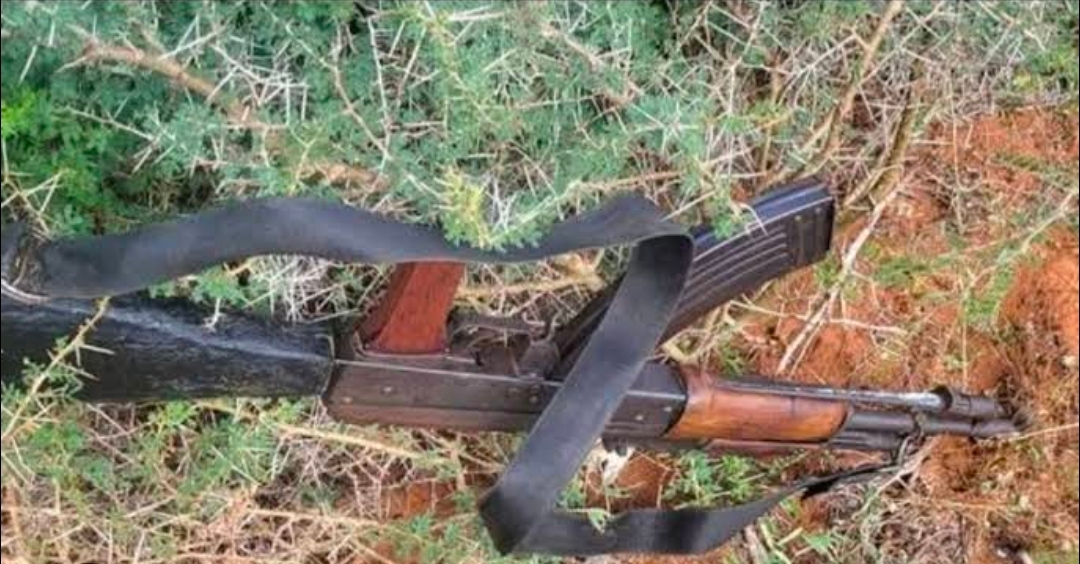
The proliferation of automatic weapons in the hands of civilians remains the greatest threat. The government must conduct a thorough disarmament exercise while increasing patrols within the Mwingi North Game Reserve to ensure it is not used as a hideout for criminal elements.
3. Community-Led Conflict Resolution
Beyond boots on the ground, long-term peace requires dialogue. The NPS has urged community leaders from both sides to engage in reconciliation. A joint peace committee involving elders from the Kamba and Somali communities is essential to address the underlying issues of grazing land and resources.
4. Justice for the Victims
The government must ensure that the "exhaustive investigation" promised by the police leads to actual arrests. Without prosecution, the cycle of "private justice" and revenge will continue to claim innocent lives.
As the families of the seven victims prepare for burials, the message from Mwingi North is clear: the people are tired of living in a war zone. The government’s response in the coming days will determine whether this region finds peace or falls deeper into a cycle of blood and fire.
The attack, which occurred at the Kwa Kamari Trading Centre bordering the Mwingi North Game Reserve, is being described as one of the deadliest escalations of inter-community violence in the region in recent years.
The Attack: A Town Under Siege
At approximately 2:00 PM, a gang of about 40 heavily armed bandits—reportedly arriving in two unmarked Probox vehicles—stormed the trading centre. According to eyewitnesses and local authorities, the attackers opened fire indiscriminately on residents using automatic rifles and machetes.
The carnage resulted in the deaths of six men and one woman. In addition to the loss of life, the attackers razed a petrol station, three shops, and a motorcycle before fleeing back toward the game reserve.
Tseikuru Deputy County Commissioner Ann Mwangi confirmed the fatalities, stating that the bodies were moved to the Kyuso Level IV Hospital morgue, while one survivor remains in critical condition at Tseikuru Level IV Hospital.
The Root Cause: A Cycle of Retaliation
Security officials believe the raid was a retaliatory strike stemming from a long-standing conflict between local residents and pastoralist groups over grazing rights.
The National Police Service (NPS) noted a timeline of escalating violence:
March 29: A 44-year-old local herdsman was killed near the Mwingi Game Reserve.
March 30: A retaliatory attack left four members of the pastoralist community dead.
April 25: The current raid, which claimed seven lives.
Political Outcry
The incident has sparked sharp criticism from political leaders. Wiper Party leader Kalonzo Musyoka, who hails from the region, described the attack as a "national tragedy" and a "governance failure."
"The blood of these seven Kenyans is not only on the hands of the killers but also on a government that has looked away from the suffering of its people," Kalonzo stated, demanding immediate accountability from the Ministry of Interior.
The Way Forward: Restoring Peace and Security
To prevent Mwingi from spiraling into further chaos, a multi-pronged approach is necessary:
1. Immediate Security Reinforcement
Inspector General of Police Douglas Kanja has already dispatched a high-level team led by Deputy IG Eliud Lagat to oversee operations. However, residents are calling for the establishment of permanent police posts along the border of the Mwingi Game Reserve to act as a buffer against armed encroachers.
2. Disarmament and Border Patrols
The proliferation of automatic weapons in the hands of civilians remains the greatest threat. The government must conduct a thorough disarmament exercise while increasing patrols within the Mwingi North Game Reserve to ensure it is not used as a hideout for criminal elements.
3. Community-Led Conflict Resolution
Beyond boots on the ground, long-term peace requires dialogue. The NPS has urged community leaders from both sides to engage in reconciliation. A joint peace committee involving elders from the Kamba and Somali communities is essential to address the underlying issues of grazing land and resources.
4. Justice for the Victims
The government must ensure that the "exhaustive investigation" promised by the police leads to actual arrests. Without prosecution, the cycle of "private justice" and revenge will continue to claim innocent lives.
As the families of the seven victims prepare for burials, the message from Mwingi North is clear: the people are tired of living in a war zone. The government’s response in the coming days will determine whether this region finds peace or falls deeper into a cycle of blood and fire.