 Lilian Nyiva
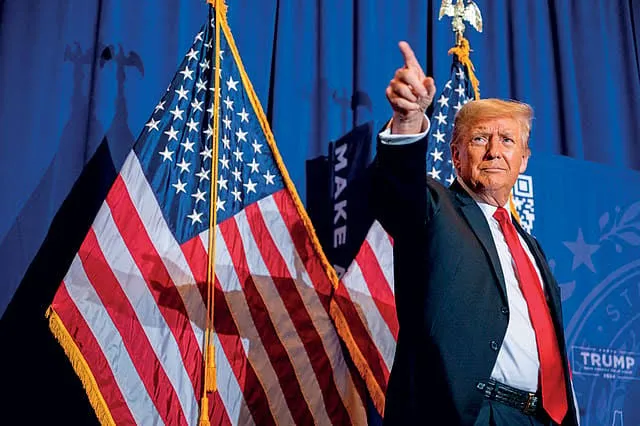
The U.S. Supreme Court has ruled that babies born in the United States are constitutionally entitled to American citizenship, rejecting President Donald Trump's attempt to end the country's longstanding birthright citizenship policy.
In a 6-3 decision delivered on June 30, Chief Justice John Roberts wrote the majority opinion, holding that children born in the United States to parents who are either unlawfully present or temporarily in the country are citizens at birth under the Citizenship Clause of the 14th Amendment.
Trump's Executive Order Struck Down
The ruling invalidates Trump's executive order, which sought to deny automatic citizenship to children born in the U.S. whose parents were undocumented immigrants or held temporary visas.
The policy had been challenged in several lower courts, which blocked its implementation before it could take effect. The Supreme Court's decision now confirms that the executive order is unconstitutional.
14th Amendment Remains the Legal Foundation
The Supreme Court reaffirmed the long-established interpretation of the 14th Amendment, adopted in 1868, which guarantees citizenship to nearly everyone born on U.S. soil.
The justices also relied on the landmark 1898 United States v. Wong Kim Ark ruling, which established that birthright citizenship applies regardless of a child's parents' immigration status.
Majority and Dissenting Opinions
Chief Justice John Roberts stated that the Constitution guarantees citizenship to individuals born in the United States and that this right cannot be revoked through executive action.
Three conservative justices dissented from the ruling, arguing that the executive branch should have greater authority in interpreting immigration-related policies.
Implications for U.S. Immigration Policy
The decision represents a major legal setback for Trump's immigration agenda, which sought to restrict automatic citizenship through presidential authority.
Legal experts note that any effort to alter birthright citizenship would require either a constitutional amendment or a new constitutional interpretation by the courts, rather than an executive order.
Birthright Citizenship Policy Remains Intact
The ruling means that the United States will continue to recognize automatic citizenship for nearly all children born within its borders, preserving a constitutional principle that has remained in place for more than 150 years.