 Lilian Nyiva
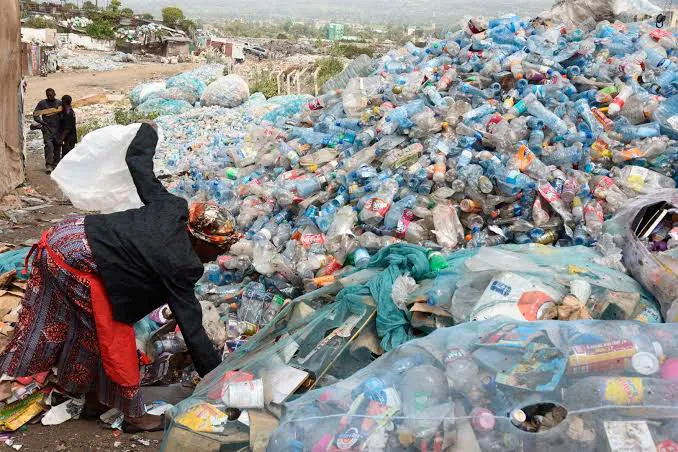
Waste management has become one of the most pressing challenges facing county governments across Kenya, with rapid urbanization, population growth, and expanding industrial activities increasing the volume of waste generated daily.
Many counties are struggling to cope with the growing demand for efficient waste collection, transportation, recycling, and disposal services. In major urban centres, inadequate waste management infrastructure has led to the accumulation of garbage in residential areas, markets, and public spaces, posing environmental and public health risks.
Experts warn that the situation could worsen in the coming years as Kenya's population continues to grow and counties attract new investments through the establishment of industrial parks and special economic zones. Increased industrial activity is expected to generate larger volumes of both solid and hazardous waste, placing additional pressure on already strained waste management systems.
According to environmental stakeholders, poor waste disposal practices contribute to pollution of rivers, wetlands, and other ecosystems. Open dumping and uncontrolled burning of waste have also been linked to air pollution and greenhouse gas emissions, which contribute to climate change.
County governments have been implementing various measures to address the challenge, including investment in modern waste collection equipment, development of sanitary landfills, promotion of waste segregation at source, and support for recycling initiatives. Some counties have also partnered with private sector players and community organizations to improve waste management services.
The national government has further introduced policies aimed at promoting sustainable waste management, including efforts to reduce plastic pollution and encourage the adoption of a circular economy where waste materials are reused, recycled, or repurposed.
Environmental experts emphasize that public participation remains critical in addressing the waste crisis. They say households, businesses, and industries must embrace proper waste segregation and disposal practices to reduce the amount of waste ending up in dumpsites.
As counties continue to pursue economic growth and industrial development, stakeholders are calling for increased investment in waste management infrastructure and technology to ensure that development is achieved in an environmentally sustainable manner.
Growing Population Increases Waste Generation
Rapid population growth in urban and peri-urban areas has significantly increased the amount of waste generated daily, stretching the capacity of existing waste management systems.
Industrial Parks Expected to Add Pressure
The planned expansion of industrial parks across counties is expected to boost economic growth but also increase the generation of industrial waste that requires specialized handling and disposal.
Environmental and Health Concerns
Poor waste management can lead to environmental degradation, water contamination, air pollution, and increased risks of disease outbreaks.
Calls for Sustainable Solutions
Experts are urging counties to invest in modern waste management infrastructure, strengthen recycling programs, and promote public awareness on proper waste disposal practices.