 Lilian Nyiva
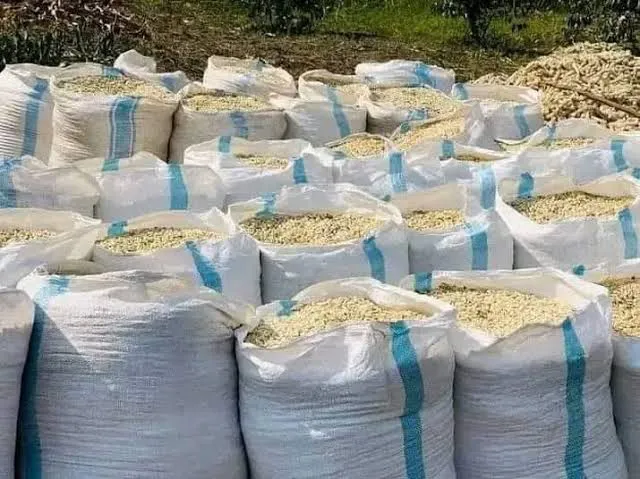
The Kenya Agricultural and Livestock Research Organization (KALRO) has raised concerns over increasing levels of aflatoxin contamination in cereals sold across Kenyan markets, warning that the toxins pose a significant threat to public health.
According to KALRO, aflatoxins—naturally occurring toxins produced by certain fungi that grow on crops such as maize, sorghum, millet, rice and groundnuts—have been detected in various cereal products, exposing consumers to potentially harmful health effects. The toxins are classified as carcinogenic and have been linked to liver cancer, weakened immunity and impaired growth in children.
Threat to Staple Foods
Maize, Kenya's staple food, remains one of the crops most vulnerable to aflatoxin contamination, particularly when harvested grains are poorly dried or stored in humid conditions. Research conducted on maize flour sold in Kenyan markets found that a significant proportion of samples contained detectable aflatoxin levels, with some exceeding the country's regulatory safety limits.
Experts note that contamination can occur at various stages of the food chain, including during harvesting, transportation, storage and processing, making continuous monitoring critical.
Health Risks to Consumers
Health experts warn that prolonged exposure to aflatoxins, even in small quantities, can have severe consequences. Scientific studies have associated the toxins with liver cancer, acute poisoning and child stunting. Kenya has previously experienced deadly aflatoxin poisoning outbreaks linked to contaminated maize, making the issue a recurring public health concern.
Unlike many food contaminants, aflatoxins cannot easily be detected through smell, taste or appearance, meaning consumers may unknowingly consume contaminated food products.
Calls for Improved Storage and Testing
KALRO is urging farmers, traders and processors to adopt better post-harvest handling practices, including proper drying and storage of cereals to prevent fungal growth. The institution has also emphasized the need for routine testing and stricter enforcement of food safety standards throughout the supply chain.
Industry stakeholders have similarly called for increased investment in rapid aflatoxin detection technologies and enhanced surveillance to reduce contamination levels in food products reaching consumers.
Need for Collective Action
Food safety experts say addressing aflatoxin contamination requires coordinated efforts involving farmers, regulators, researchers, millers and consumers. As Kenya continues to grapple with the challenge, authorities are encouraging greater awareness of safe grain handling practices to protect public health and ensure food security.
The warning comes amid renewed focus on aflatoxin management in Kenya, where the toxin remains one of the most persistent food safety challenges affecting cereals and other agricultural products.