 Victor Elvis Mugambi
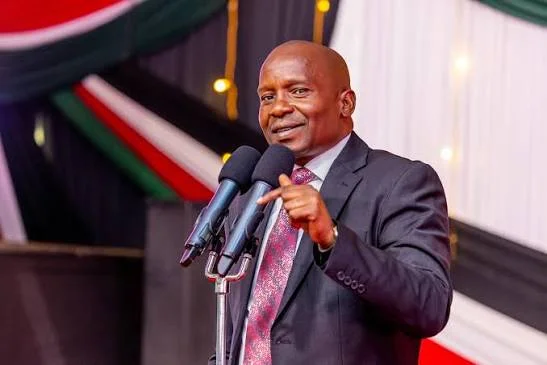
Kenya is witnessing a major development in its energy sector as Deputy President Kithure Kindiki takes charge of the country's largest oil refinery project. This strategic initiative was underscored by President William Ruto's decision to appoint a dedicated committee chair, signaling a strengthened commitment to advancing energy independence and economic growth.
Clarifying Roles and Policy Directions
By assigning Kindiki the leadership of this critical project, Ruto emphasizes the importance of focused policy execution and governance oversight. The move is expected to streamline project management and facilitate the mobilization of resources necessary for the refinery's successful completion, which is poised to boost Kenya’s refining capacity and reduce reliance on imported petroleum products.
This appointment also highlights the government’s broader policy goals of improving national infrastructure and fostering self-sufficiency in energy production. It aligns with President Ruto's strategic vision of leveraging local resources and attracting investments to enhance the country’s energy security and economic resilience.
Moreover, Kindiki's leadership is likely to influence the project's transparency and adherence to regulatory standards. As a key figure in government, his role will be pivotal in navigating bureaucratic challenges and engaging with stakeholders across public and private sectors.
As Kenya advances this ambitious energy project, stakeholders, including local communities, investors, and international partners, will closely watch the progress and governance frameworks implemented under Kindiki's stewardship. This development not only represents a significant policy shift but also a test of governance and strategic planning capacities within the Kenyan government, with potential long-term impacts on the nation’s economic trajectory.