 EMMANUEL WEKESA
Ebola remains a significant global health concern, with outbreaks challenging public health systems worldwide. Understanding the nature of the virus, its transmission, and the policy responses is essential for effective prevention and containment.
What is Ebola and How is It Transmitted?
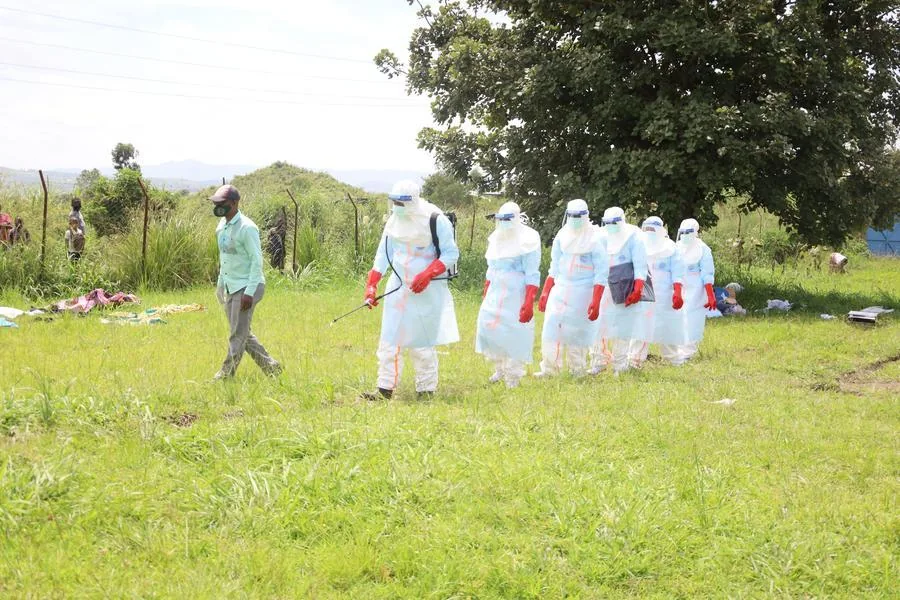
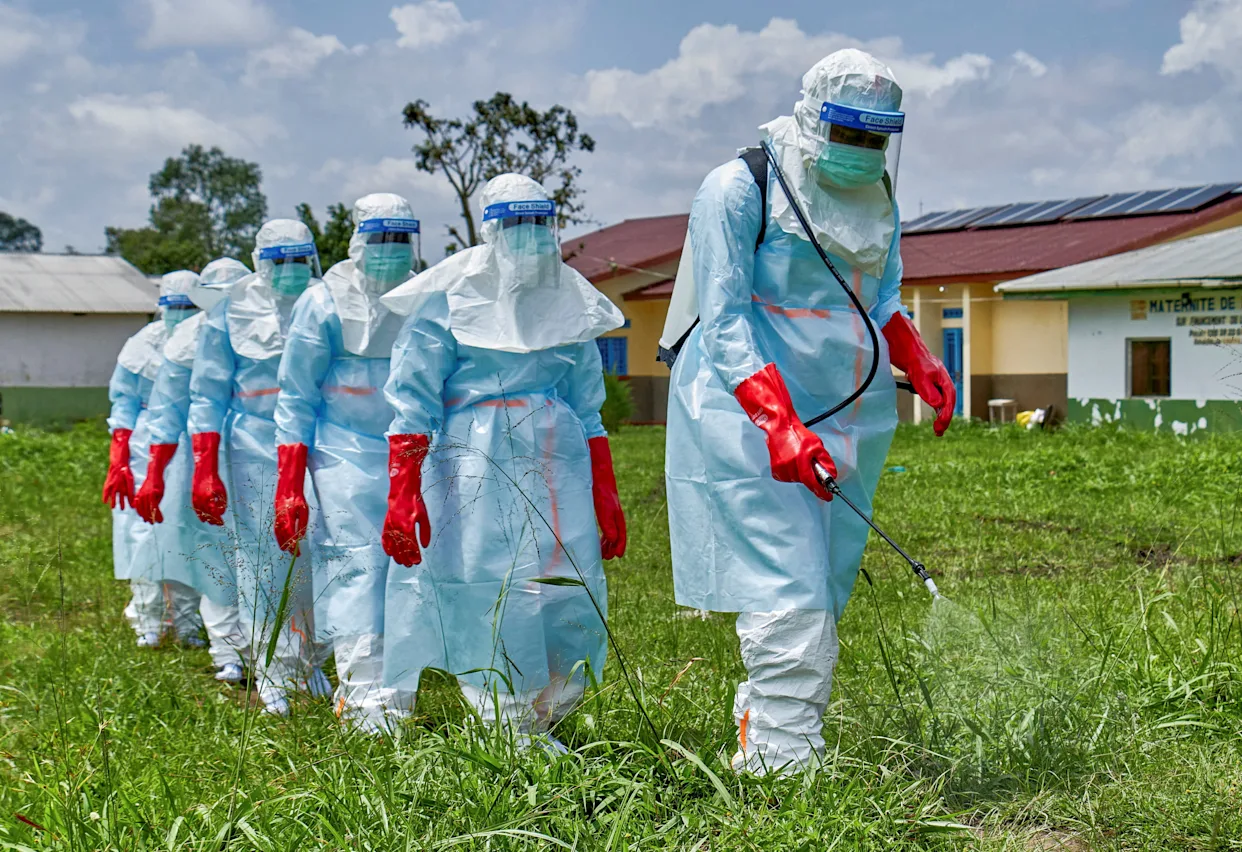
Ebola is a severe, often fatal viral disease that spreads through direct contact with bodily fluids of infected individuals or animals, including blood, vomit, saliva, and semen. Unlike airborne illnesses such as the flu, Ebola does not spread easily through the air. Proper hygiene, protective gear, and careful handling are crucial in stopping the transmission of the virus.
Origins and History of Ebola Outbreaks
Ebola viruses naturally occur in fruit bats, which act as the main animal reservoir. The virus typically spills over to humans through hunting or handling infected wild animals. Since its first identification in 1976 near the Ebola River in the Democratic Republic of the Congo, the disease has caused multiple outbreaks. The ongoing 2026 outbreak involves the Bundibugyo virus (BDBV) strain, which generally exhibits a lower fatality rate.
Policy Responses and Travel Restrictions
In response to rising Ebola risks, countries have tightened travel regulations and implemented various policy measures. For example, the United States has maintained policies to keep Ebola-exposed citizens in designated settings in Kenya, and other nations have restricted entry to travelers from affected regions. These measures aim to prevent the spread of the virus while supporting affected countries' efforts to contain outbreaks.
Health authorities emphasize that early medical intervention, including hydration, monitoring, and supportive care, significantly improves survival rates. Effective policy responses, including travel bans and enhanced screening, are vital components of a comprehensive strategy to manage Ebola outbreaks and protect public health.