 EMMANUEL WEKESA
The United States government has responded to the High Court's decision to suspend the establishment of an Ebola quarantine facility at Laikipia Air Base in Kenya, signaling intentions to resolve the concerns raised. The court's ruling has cast a halt on the progress of what was expected to be a key component of Ebola preparedness in the region.
U.S. to Engage Kenya After Court Ruling on Ebola Facility
In a statement issued on Saturday, May 30, the U.S. administration acknowledged the court's conservatory orders and confirmed they are in active discussions with Kenyan officials. The U.S. emphasized its commitment to addressing the constitutional, public health, and security concerns that prompted the court's intervention, maintaining optimism about resolving the issues.
The court's decision was triggered by a petition from the Katiba Institute, which raised objections to the facility's constitutionality and its implications for public health and national security. Justice Patricia Nyaundi's ruling not only suspended the project's implementation but also barred the entry of individuals infected or exposed to Ebola under the proposed arrangements, until the case is fully heard.
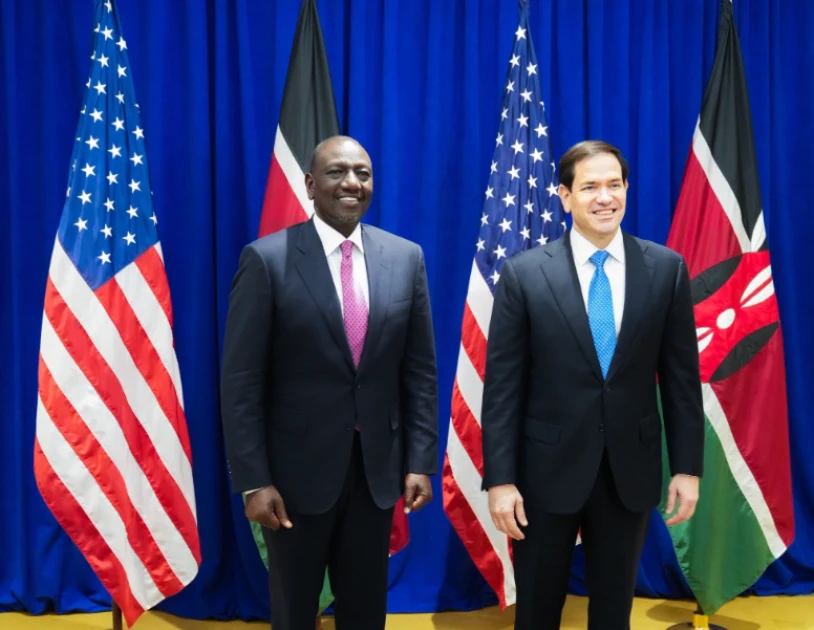
This development comes amid ongoing diplomatic exchanges, including a recent phone call between U.S. Secretary of State Marco Rubio and Kenyan President William Ruto. During their conversation, the U.S. committed approximately Ksh1.74 billion to bolster Ebola preparedness efforts, illustrating continued cooperation despite legal challenges.
While the project was slated to become operational within a week with a 50-bed field hospital staffed by U.S. Public Health Service personnel, its future remains uncertain as legal proceedings continue. The situation underscores the complex interplay between international health initiatives and national sovereignty, emphasizing the importance of diplomatic engagement to navigate such issues effectively.