 EMMANUEL WEKESA
The Ministry of Health (MoH) has designated 25 counties in Kenya as either 'very high risk' or 'high risk' for Ebola, as the country ramps up efforts to prevent the spread of the deadly virus reported in neighboring Uganda and the Democratic Republic of Congo (DRC).
Kenya's Ebola Preparedness and Risk Management
Counties classified under the 'very high risk' category include Nairobi, Mombasa, Uasin Gishu, Busia, Kisumu, Bungoma, Trans Nzoia, Siaya, West Pokot, Turkana, Homa Bay, and Migori—most of which are border counties. Those under the 'high risk' category are Vihiga, Kakamega, Nakuru, Kericho, Nandi, Kiambu, Machakos, Kilifi, Makueni, Taita Taveta, Isiolo, Elgeyo Marakwet, and Garissa.
The government reports having screened over 13,548 travelers in the last 24 hours at various points of entry and a total of approximately 67,000 travelers since the outbreak escalated. The Ministry is also contemplating a 21-day quarantine for travelers from high-risk nations to curb potential virus spread.
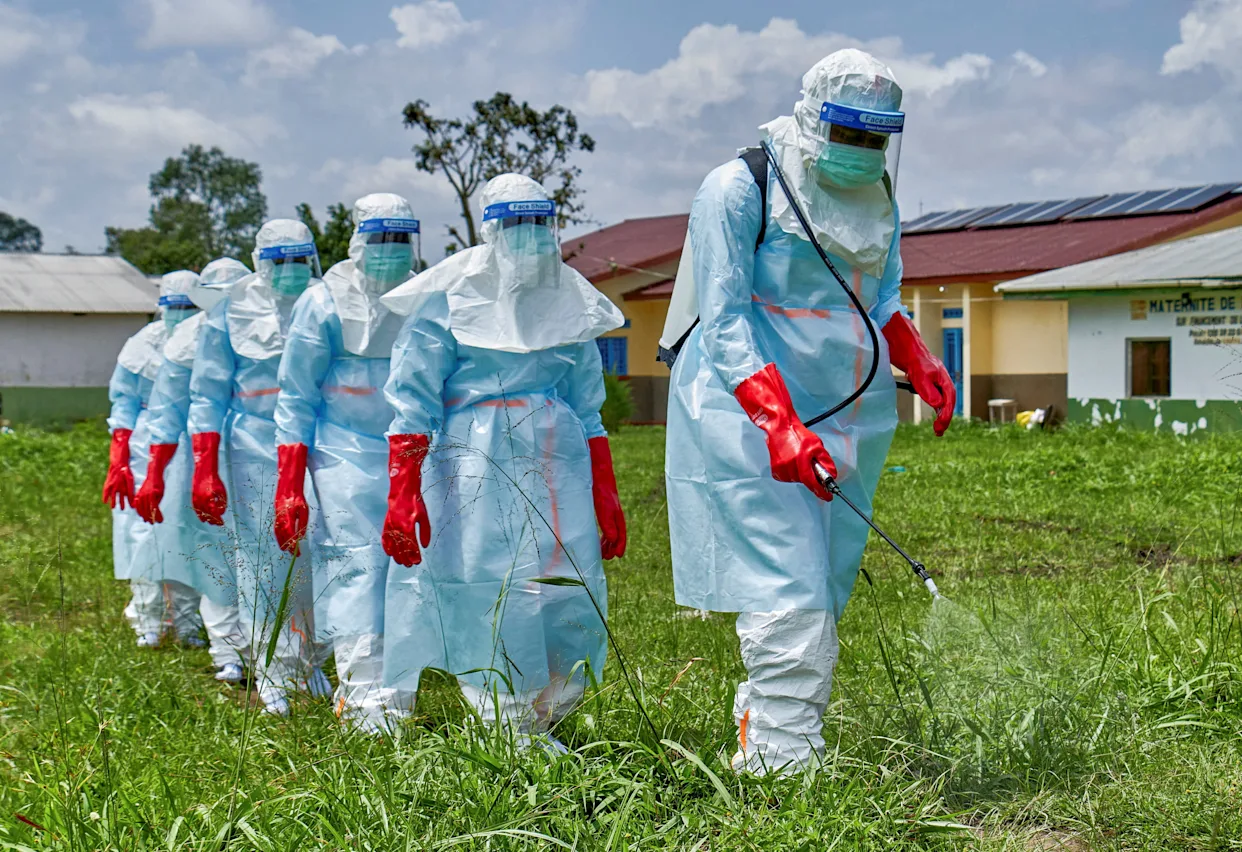
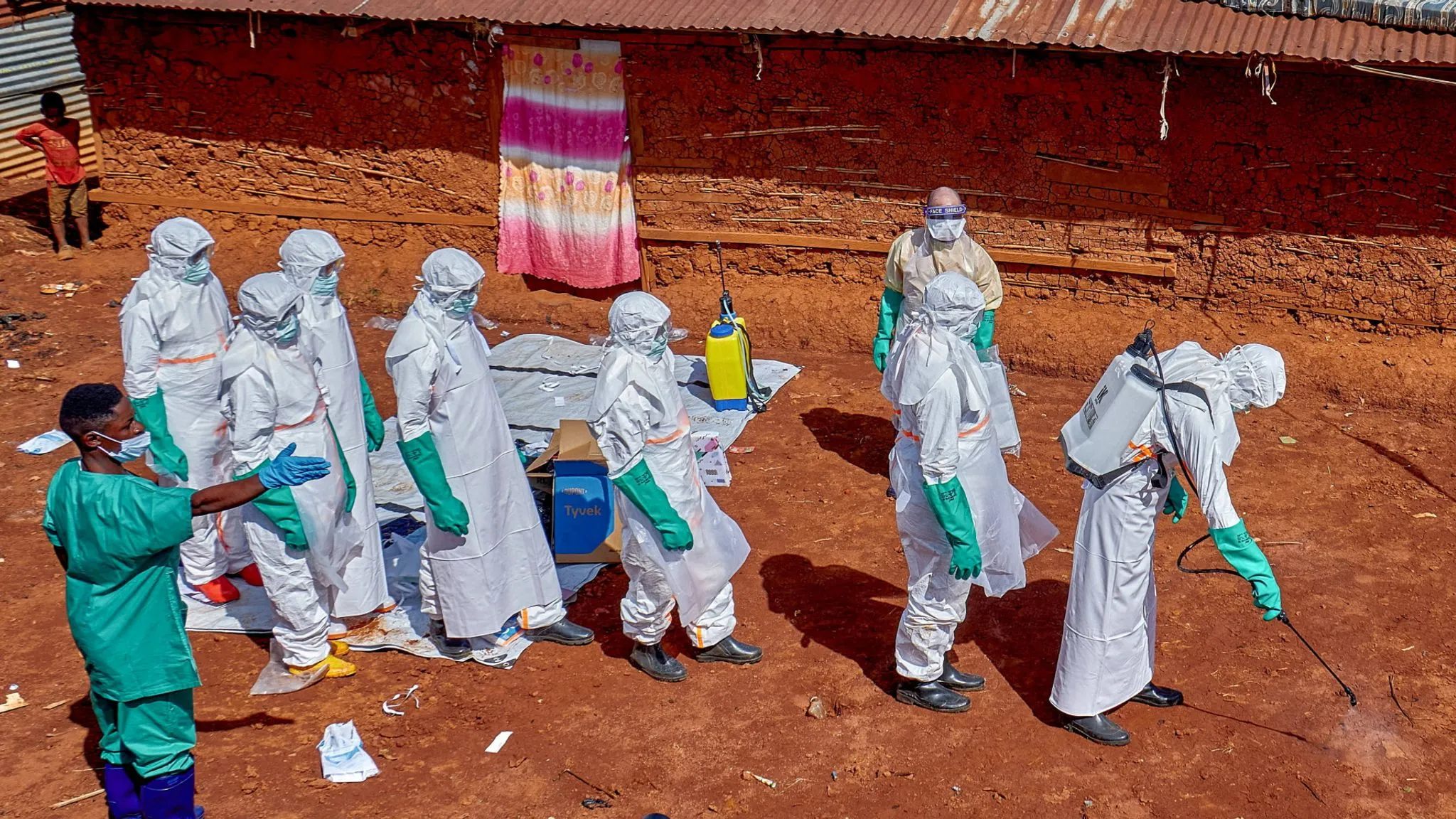
Enhanced surveillance measures include training over 1,000 health officers and activating emergency operation centers in 26 counties. There are also ongoing efforts to screen and trace all arrivals, with plans to require detailed screening and exit surveillance reports from the countries of origin.
Kenya's proactive stance follows recent regional outbreaks, with over 1,000 suspected Ebola cases and nearly 250 deaths reported in DRC since May 15, and several cases in Uganda, including fatalities. President William Ruto assured that Kenya has put in place appropriate preventive measures to handle any confirmed cases.
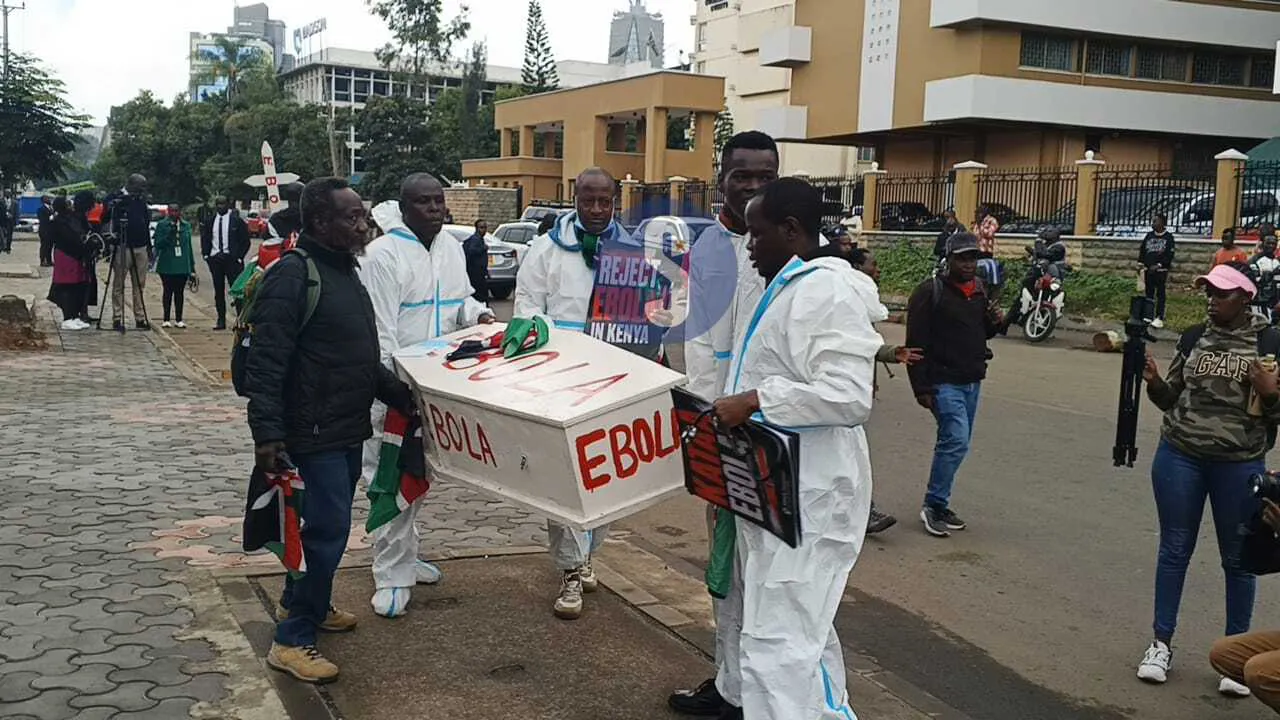
Despite these efforts, some political tensions have arisen, notably the criticism over the U.S. establishing an Ebola quarantine facility at Laikipia Air Base, which has elicited mixed reactions among Kenyans. Nonetheless, the government remains vigilant, emphasizing containment and regional cooperation to prevent Ebola from reaching the country.