 Gerald Kyalo. (geraldbway).
Kwash Udum and the Secret Attempt to Recruit President Jomo Kenyatta into Freemasonry: Untold Stories of Kenya’s Elite
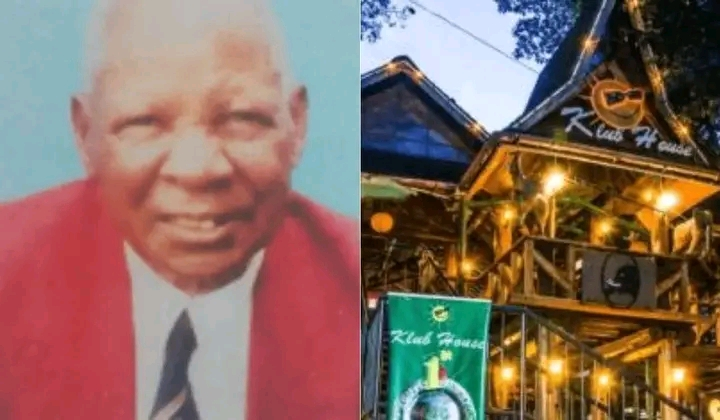
The Court of Appeal Judge Who Tried to Introduce Kenya’s First President to the Secret Society
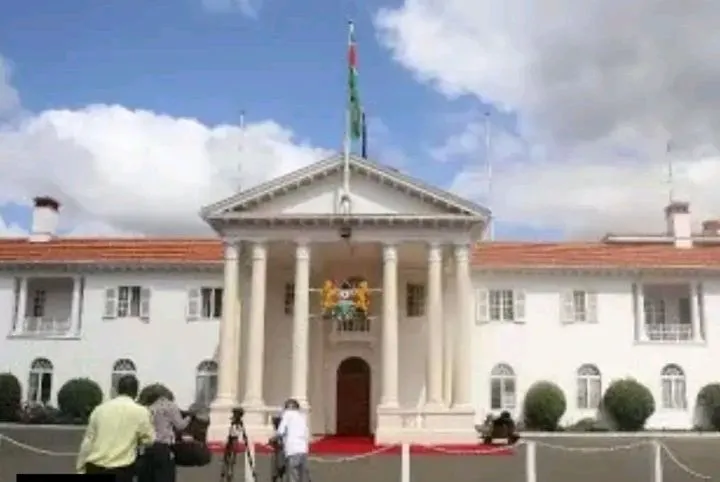
The Freemasons are a centuries-old international community, founded for mutual support, fellowship, and the practice of elaborate secret ceremonies. While shrouded in mystery, myths, and conspiracy theories, their influence on Kenya’s history and development is undeniable. This community is credited with the construction of some of Kenya’s most iconic buildings, including The National Archives, City Hall, the Supreme Court, and State House.
But beyond architecture and philanthropy, the Freemasons once tried to extend their reach into the highest office of the land. This is the story of how a Court of Appeal judge, Kwash Udum, attempted to recruit Mzee Jomo Kenyatta into the organization.
The Story of Judge Kwash Udum and President Jomo Kenyatta
Freemasonry was a powerful force in Kenya during the 19th century, largely introduced and led by European settlers. By the time Kenya gained independence, many African elites had become members, though secrecy was strictly enforced.
According to Duncan Ndegwa in his book Walking in Kenyatta’s Struggles, Kwash Udum, then a Court of Appeal judge, approached President Kenyatta with an invitation to join the secret society. Kenyatta, however, reacted with anger, threatening to dismantle Freemasonry in Kenya. It took the intervention of then-Attorney General Charles Njonjo to reassure him that the organization posed no threat.
Ndegwa notes that the Freemasons maintained a low profile during Kenyatta’s presidency, only becoming more visible after Daniel arap Moi assumed power.
Duncan Ndegwa’s Observations on Freemasonry
Freemasonry, closely linked to the British Royal family, was allegedly involved in promoting colonial interests, including practices that encouraged exploitation in Africa. Ndegwa points out that prominent British figures such as Cecil Rhodes, the architect of apartheid, were tied to the organization.
Other notable members included Lord Delamare, J.A. Hoogterp, Colonel Grogan, and Sir Herbert Baker, the architect behind All Saints Cathedral, McMillan Library, Kenya Railways Headquarters, Pan Africa House, and Kipande House.
While the society’s activities remain largely hidden, its historical influence on Kenya—both politically and architecturally—is undeniable.