 EMMANUEL WEKESA
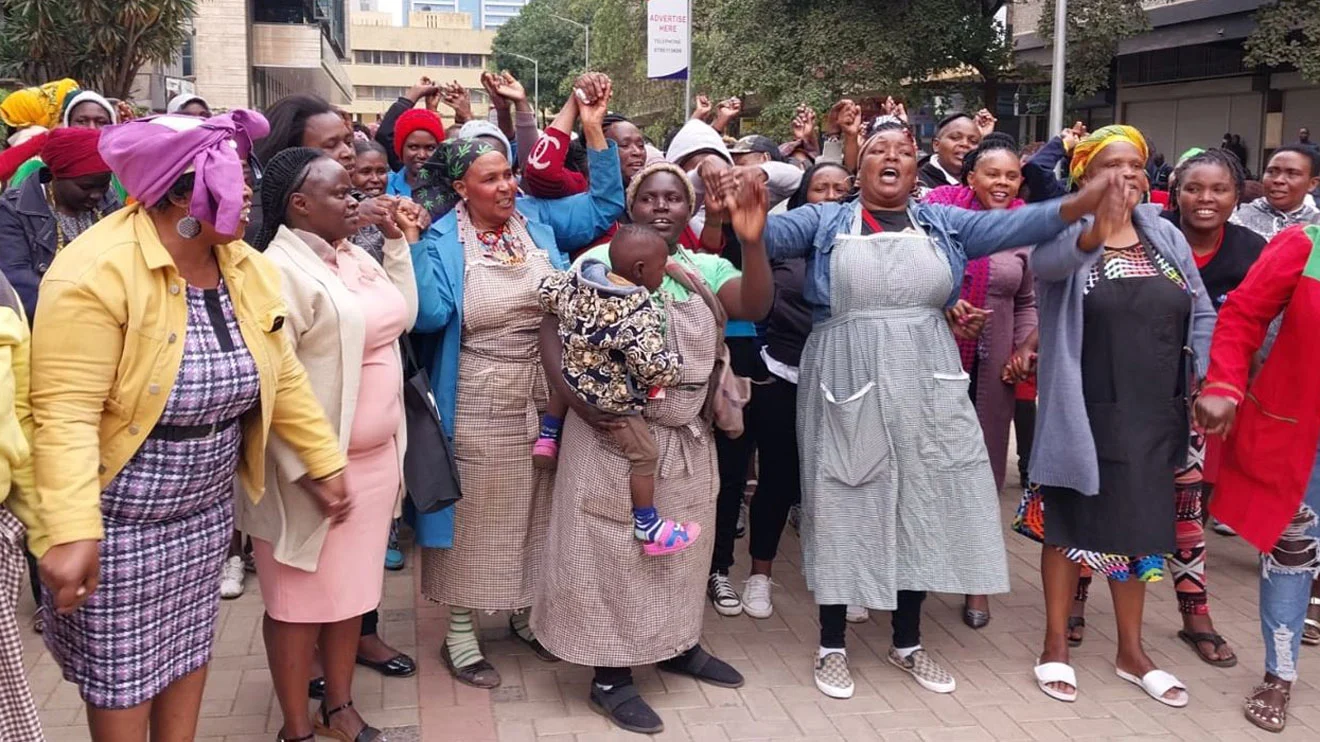
As the clock ticks toward today’s planned anti-government protests, a growing chorus of frustration is emerging not from political activists, but from the shop owners, hawkers, and stall operators in the Central Business District (CBD).
While opposition leaders call for a day of mass action to highlight the high cost of living, many traders in Gikomba, Eastleigh, and along Moi Avenue are publicly pleading with the youth to reconsider.
We are suffering. If they shut the town down today, I don’t know how I will feed my children tomorrow,” said James Otieno, a electronics seller on Luthuli Avenue. “The politicians will go home to their hot meals. We are the ones who lose our stock and our daily bread.”
For many small-scale traders, a "planned protest" does not mean a political statement; it means a forced shutdown. In previous demonstrations, the CBD has turned into a ghost town by mid-morning, with banks closing their shutters and matatus (public vans) refusing to enter the city center
We have stock that is expiring—vegetables, bread, meat. If we don't sell today, it is pure loss,” complained Fatma Hassan, a grocery trader at Wakulima Market. “I am not against their message, but why must it always be a weekday? Why destroy our capital to prove a point?”
We have stock that is expiring—vegetables, bread, meat. If we don't sell today, it is pure loss,” complained Fatma Hassan, a grocery trader at Wakulima Market. “I am not against their message, but why must it always be a weekday? Why destroy our capital to prove a point?”
The most visceral complaint among traders today is the fear of "opportunistic looters." Despite organizers insisting the protests will be peaceful, traders recall the 2023 demonstrations where several businesses were vandalized and goods worth millions of shillings were carted away.
We have started removing our expensive stock from the shops already,” said John Mburu, chairman of a traders' welfare group along River Road. “We have hired private security to sleep at our doorsteps tonight. We are begging the protesters: Don’t come here. We are not the government. We are just trying to survive
The frustration comes as police barricades were erected overnight on major roads leading to State House and key intersections in the CBD. Acting Police Inspector General Douglas Kanja has warned that no demonstrations will be allowed within the central business district, insisting that protests must be held in designated parks like Kamukunji Grounds.
However, traders note that even if the protests are contained, the "fear factor" keeps customers away.
Whether the police allow it or not, the announcement alone has killed business,” said Peter Njoroge, who runs a stationary shop. “Usually, on a Thursday, I make 5,000 shillings. Today, I have made zero by 10 a.m. That protest is happening in my pocket.
We have started removing our expensive stock from the shops already,” said John Mburu, chairman of a traders' welfare group along River Road. “We have hired private security to sleep at our doorsteps tonight. We are begging the protesters: Don’t come here. We are not the government. We are just trying to survive
The frustration comes as police barricades were erected overnight on major roads leading to State House and key intersections in the CBD. Acting Police Inspector General Douglas Kanja has warned that no demonstrations will be allowed within the central business district, insisting that protests must be held in designated parks like Kamukunji Grounds.
However, traders note that even if the protests are contained, the "fear factor" keeps customers away.
Whether the police allow it or not, the announcement alone has killed business,” said Peter Njoroge, who runs a stationary shop. “Usually, on a Thursday, I make 5,000 shillings. Today, I have made zero by 10 a.m. That protest is happening in my pocket.
The Kenya National Chamber of Commerce and Industry issued a last-minute appeal to both the government and the opposition to halt the protests, warning that the economy "cannot absorb another day of paralysis."
As of mid-morning, most major supermarkets along Moi Avenue were operating with half-staff, and several matatu sacco (operators) had pulled their vehicles off the road entirely.
Let them shout in the stadiums,” Mburu added. “But leave our shops alone. We are tired of being collateral damage.
Let them shout in the stadiums,” Mburu added. “But leave our shops alone. We are tired of being collateral damage.