 Diana Muthini
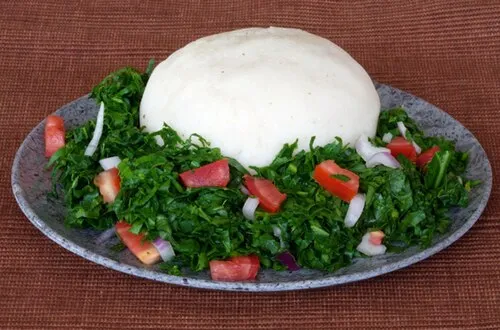
If you walk into any Kenyan neighborhood as the sun begins to set, you’ll hear a specific symphony. It’s not music, but it’s rhythmic: the rapid-fire clack-clack-clack of a sharp knife hitting a wooden board. In kitchens from Mombasa to Kisumu, someone is finely shredding a bunch of deep green leaves, preparing the dish that defines the culinary landscape.
To the rest of the world, it’s just kale. But to those who grew up with it, it’s Sukuma Wiki. And it deserves a lot more respect than being labeled a "superfood" trend.
The Name: A Lesson in Resilience
The name "Sukuma Wiki" is a beautiful piece of linguistic history. In Swahili, it literally means "to push the week." It was born out of necessity—a vegetable that was hardy enough to grow in a backyard garden and cheap enough to buy with a few coins. When the budget was tight and payday felt a lifetime away, sukuma wiki was the reliable friend that made sure nobody went to bed hungry.
But over time, it evolved from a "survival food" into a "soul food." Even those who can afford the finest steak still find themselves craving a plate of steaming greens. There is a certain kind of nostalgia that comes with this dish that simply cannot be bought.
The Art of the Cut
There is a silent competition in many households: Who can slice the thinnest? Watching an expert prep sukuma is like watching a magician. They roll the leaves into a tight, cigar-like cylinder and slice with such precision that the result looks like green confetti. There is a collective pride in that texture. If the pieces are too big, it feels clumsy; if they are hair-thin, they soak up the flavors of the onions and tomatoes perfectly.
The Great Kitchen Debate: To Fry or to Steam?
The beauty of sukuma wiki lies in its versatility, which naturally leads to heated kitchen debates.
- The Purists: They believe in a quick sauté. Lots of onions (the more the better), a bit of oil, salt, and maybe a single ripe tomato. The goal is to keep the leaves "crunchy" and bright green.
- The Traditionalists: They like to add a little bit of water or even a splash of milk toward the end. This softens the leaves and creates a "sauce" that is heavenly when soaked up by a piece of ugali.
- The Modernists: These days, people are getting creative. It’s common to see sukuma wiki tossed with ginger, garlic, or even a sprinkle of beef seasoning for that extra kick.
The "Soft Crunch" is often considered the gold standard—onions sautéed until translucent, tomatoes melted into a thick paste, and greens tossed in for just a few minutes. They should wilt, but they shouldn't lose their spirit.
The Perfect Partnership
Let’s be honest: Sukuma wiki is a lonely dish without Ugali.
They are the ultimate power couple of East African cuisine. There is a specific technique to eating them together—using your hand to mold a small scoop of ugali, creating a slight indentation with your thumb, and then using that "spoon" to pile on a mountain of greens. Throw in a piece of nyama choma (roasted meat) or a fried egg on the side, and you have a meal fit for a king.
Why We Should Keep Celebrating It
In an era where fast-food chains are popping up on every corner, sukuma wiki is an anchor. It’s a reminder of heritage. It’s packed with iron, calcium, and vitamins, keeping people strong without needing a fancy supplement bottle.
But more than the health benefits, it represents a shared culture. It’s the dish that was on your grandmother’s table, your mother’s table, and now yours. It bridges the gap between the village and the city, between the past and the future.
So, the next time you sit down to a plate of these magnificent greens, take a moment to appreciate them. It’s not just "pushing the week"—it’s fueling a nation, one delicious bite at a time.