 Victor Elvis Mugambi
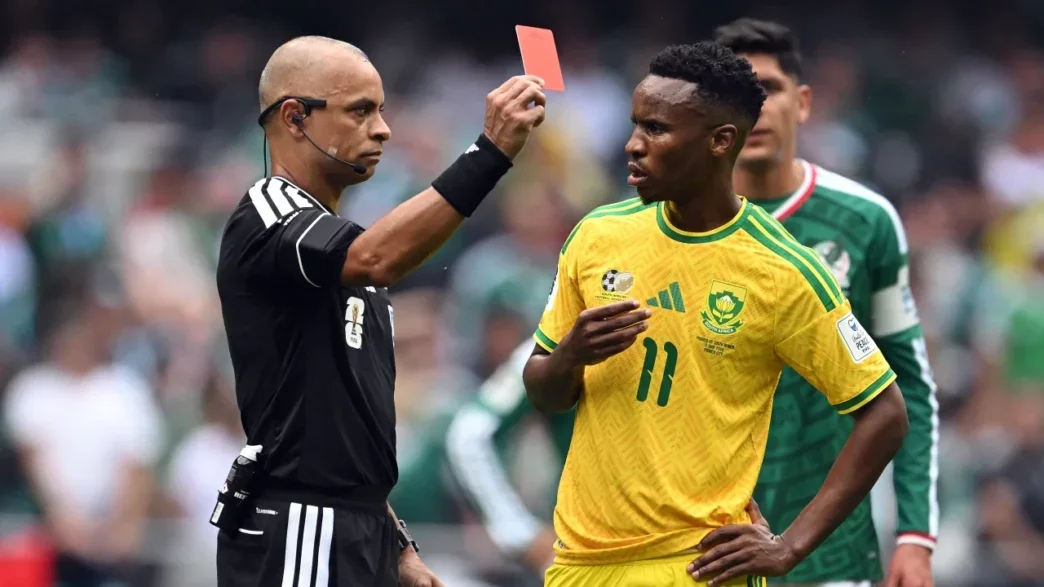
The opening match of the 2026 FIFA World Cup has become a topic of intense debate, following controversial decisions by referee Wilton Sampaio. The game witnessed a series of contentious calls that culminated in three players receiving red cards, profoundly impacting the match's outcome and raising questions about the standards of refereeing at this prestigious tournament.
Refereeing Under Fire: Wilton Sampaio's Controversial Role in the World Cup 2026 Opener
Wilton Sampaio, an experienced Brazilian referee, was assigned to officiate the historic opening game of the tournament. Despite his credentials, his decisions during the match have drawn sharp criticism from fans, analysts, and team officials alike. The controversy centers on whether the red cards issued were justified or a result of overly strict officiating, which some argue undermines the fairness of the game.
Open discussions now focus on the policies guiding referees at the World Cup and the level of oversight exercised by FIFA. The incident underscores the need for transparent criteria and consistent enforcement standards to preserve the integrity of the sport at the highest level. Critics suggest that such high-profile errors can damage the reputation of the tournament and the governing bodies responsible for its organization.
While FIFA has yet to release a detailed statement addressing the controversies, the incident has sparked a broader debate about decision-making processes and accountability in international football officiating. As the tournament progresses, the football community remains watchful of how these governance issues will be handled to ensure fair competition.
In conclusion, the fallout from the opening match highlights the importance of clear policies and rigorous training for referees. Ensuring consistency and fairness in officiating is crucial to maintaining the sport's integrity and viewer trust, especially on the global stage of the World Cup.