 Victor Elvis Mugambi
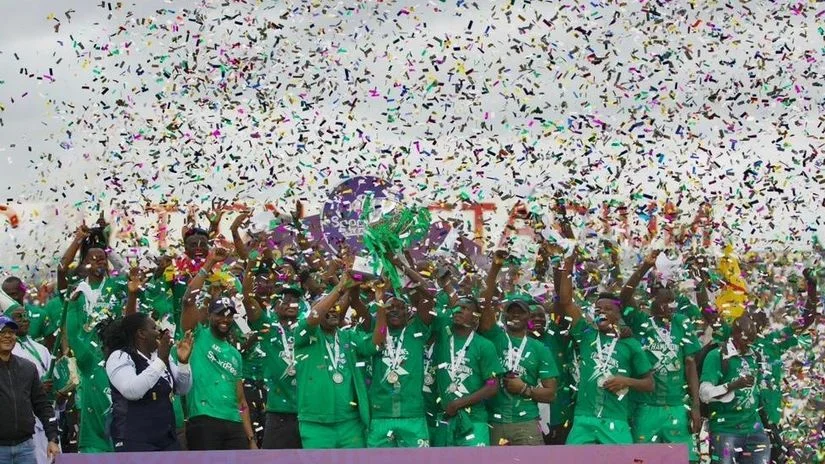
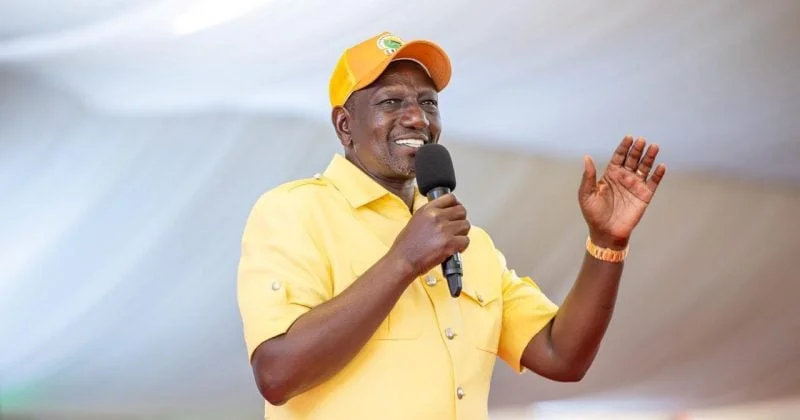
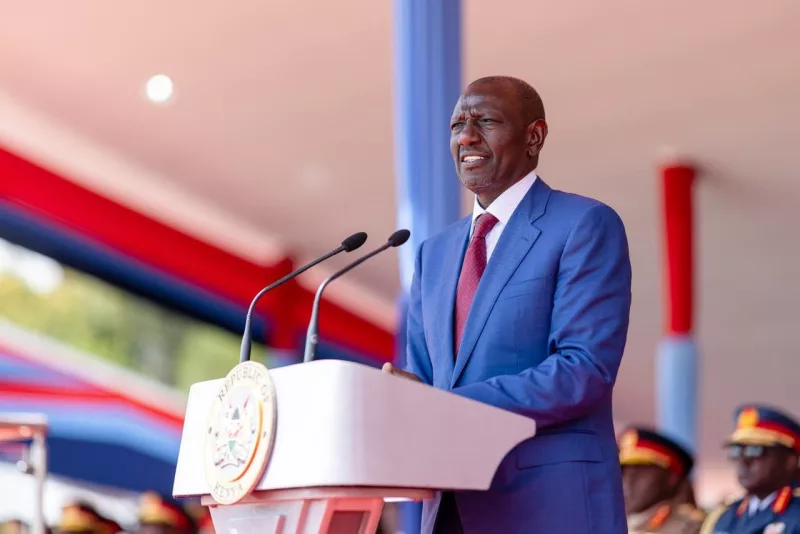
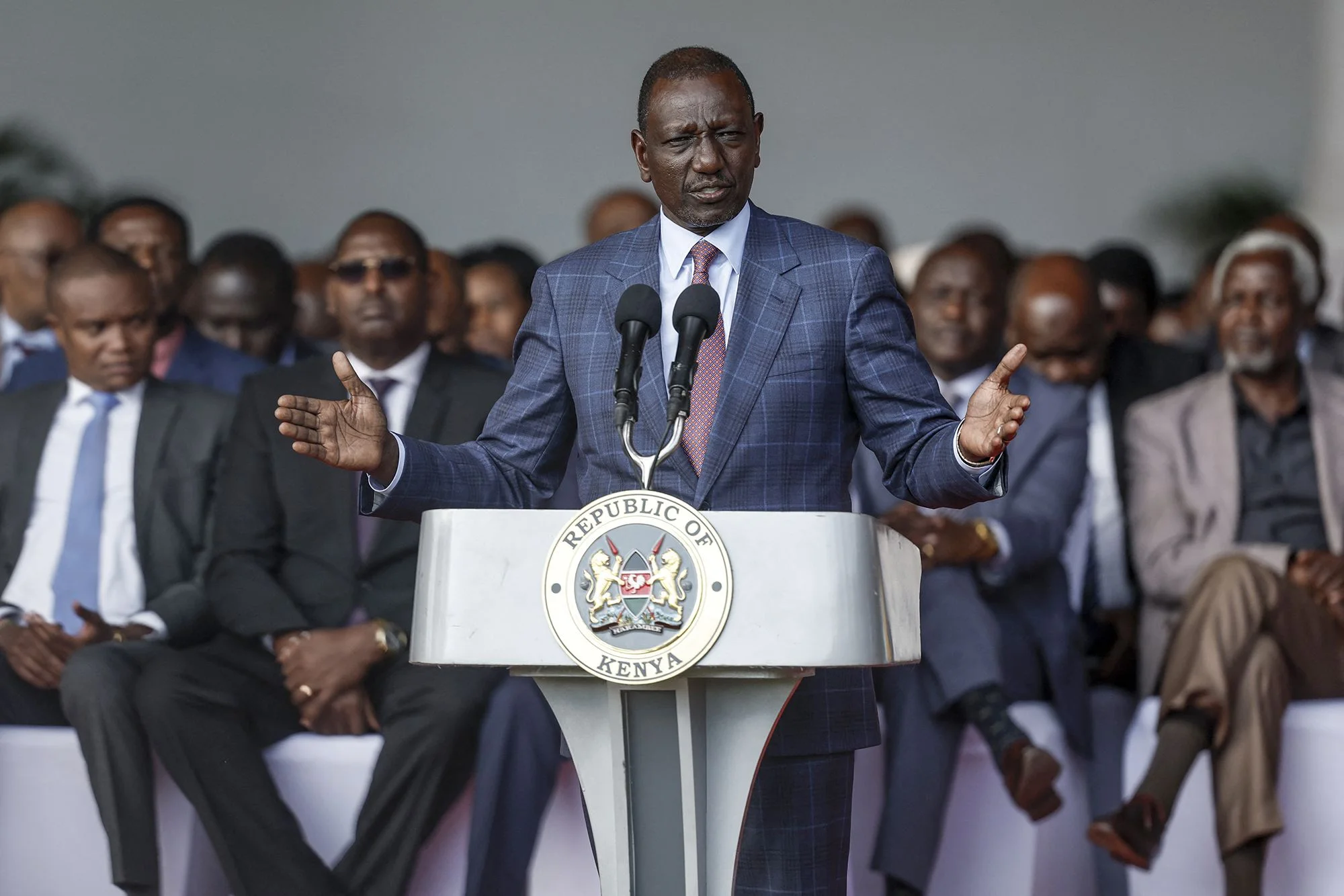
President William Ruto's recent donation of 10 million shillings to Gor Mahia FC has sparked widespread debate on public spending and government transparency. As a prominent figure in Kenyan politics, Ruto's financial support for the football club raises questions about the priorities of public expenditure amidst ongoing economic challenges.
Public Spending and Governance Concerns
This substantial gift to the football club has not been well received by all segments of society. Critics argue that such funds could be better allocated to public services, infrastructure, or social programs that directly benefit citizens. The allocation of government resources continues to be a contentious issue in Kenya, especially with increasing demands for accountability and responsible governance.
While supporters may view the donation as a gesture of support for national sports, opponents see it as an example of misplaced priorities. The decision maker behind this donation and the timeline of the funding remain unclear, raising questions about the transparency of such financial decisions.
Additionally, the public's reaction underscores concerns over the use of state funds for recreational activities rather than essential services. As the government faces scrutiny over its fiscal policies, this incident highlights the ongoing debate about how public money should be spent and the importance of demonstrating fiscal responsibility.
In conclusion, President Ruto's gift to Gor Mahia underscores the broader issues of governance and transparency in Kenya. It prompts a reflection on the need for clear policies and accountable decision-making processes in public spending, especially when it involves significant sums of taxpayer money.