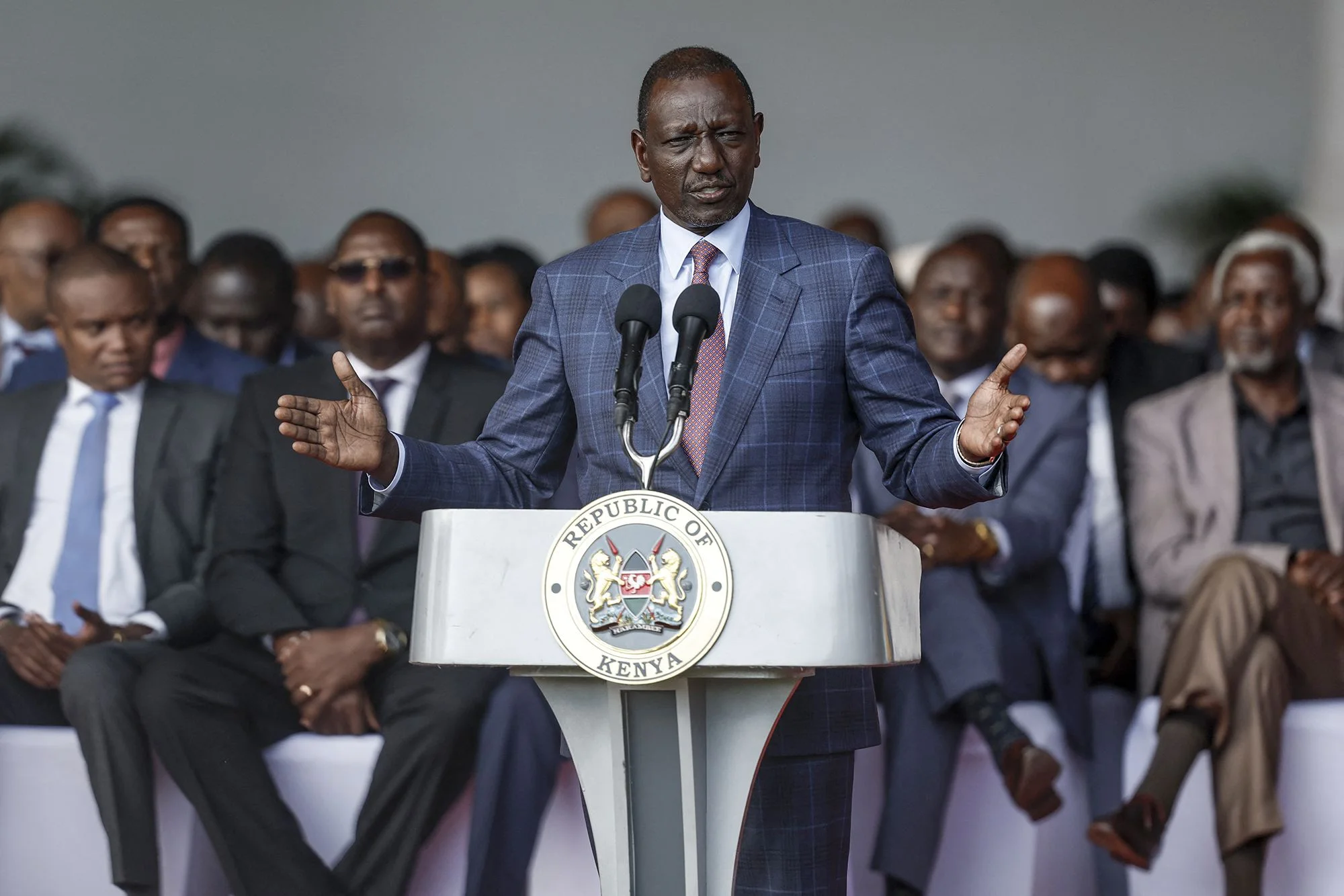
 Victor Elvis Mugambi
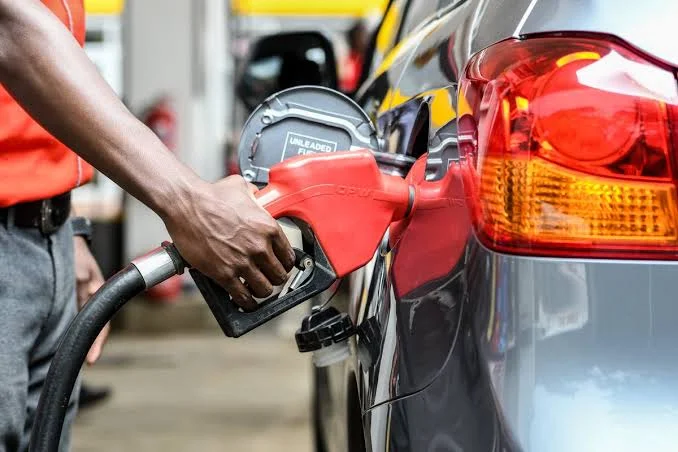
Kenya has extended the 8% VAT rate on petroleum products for an additional three months, a move aimed at alleviating the financial burden on consumers amid volatile global oil markets. The government has also allocated an extra Sh945 million from the Petroleum Development Levy into the fuel stabilization fund, reflecting its commitment to moderating fuel prices during economic fluctuations.
Government's Support Measures Amid Global Uncertainty
This extension and financial injection are strategic responses to recent instability in the Middle East, which has raised concerns over fuel import costs. Despite these external tensions, Energy Cabinet Secretary Wandayi affirmed that the G-to-G fuel premium remains unchanged, underscoring the government's resilience in shielding consumers from immediate market shocks.
The announcement of these measures is timely, occurring just hours before the Energy and Petroleum Regulatory Authority (EPRA) releases its monthly fuel price review. The new prices will determine the cost of super petrol, diesel, and kerosene for the July-August cycle, directly impacting household budgets and transportation costs across the country.
Economic analysts observe that prolonging VAT relief and increasing subsidies are critical tools in Kenya’s strategy to combat inflation and sustain affordability, especially as the nation navigates the complexities of local and international economic challenges. The policies are expected to provide temporary relief while the government explores longer-term solutions to energy pricing and supply stability.
As the fiscal year progresses, stakeholders will monitor how these interventions influence inflation rates, consumer purchasing power, and the overall economic stability. The government’s actions serve as a buffer and signal its proactive stance in managing economic vulnerabilities related to energy prices, keeping the public informed and prepared for upcoming adjustments in fuel costs.