 Wambui Faith
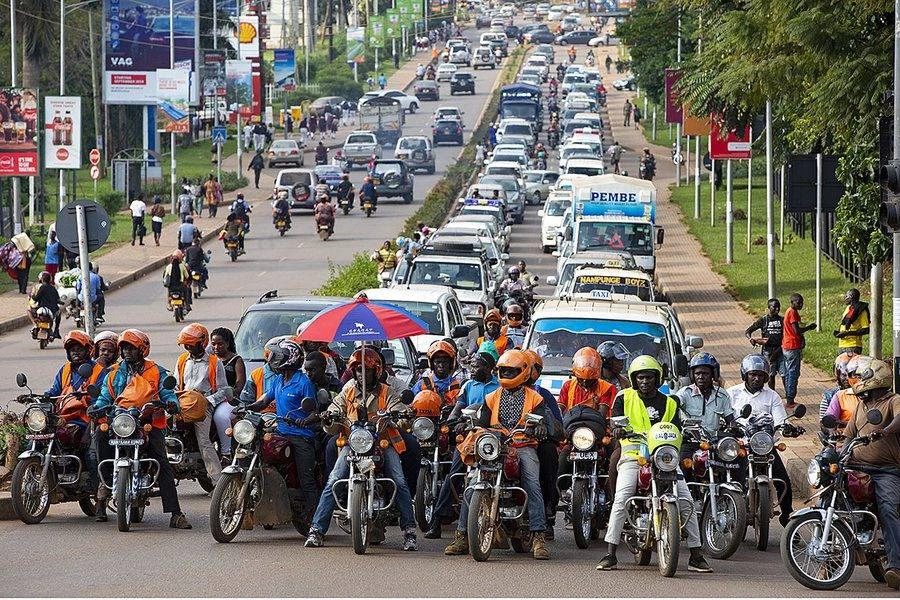
In the bustling streets of Nairobi and the dusty paths of rural villages, the hum of a motorcycle engine is the undisputed soundtrack of Kenyan life. The boda boda sector is more than just a transport industry; it is a vital economic artery, providing livelihoods for over 1.5 million riders and moving millions of Kenyans daily.
However, this economic lifeline is currently being choked by a shadow industry of crime. What was once a symbol of hustler-nation ingenuity is increasingly being viewed through a lens of fear as motorcycles become the preferred vehicle for urban insecurity.
The Anatomy of the Threat
The very features that make motorcycles efficient—speed, agility, and the ability to weave through gridlocked traffic—are being exploited by criminal rackets. We are seeing a distinct pattern of "boda-assisted" crimes:
Petty Larceny & Snatching: In neighborhoods like Kilimani, Westlands, and CBD, "hit-and-run" phone and handbag snatching has become a daily occurrence. The pillion passenger grabs the item, and the rider zips into a narrow alley or against traffic, making pursuit impossible for police vehicles.
Violent Crime & Logistics: More concerning is the use of unregistered or "cloned" plate motorcycles in armed robberies and drug trafficking. The anonymity provided by a helmet and a fast exit route makes them the perfect tactical asset for organized gangs.
Infiltration by Rackets: Genuine riders are often squeezed by criminal cartels who manage stages or provide "protection," turning a legitimate trade into a recruitment ground for illicit activities.
An Economic Lifeline Under Siege
The tragedy here is that the 99% of law-abiding riders are paying the price for the 1% who are criminals. When insecurity spikes, the knee-jerk reaction—rightly or wrongly—is often a crackdown.
Night bans, exclusion from certain city zones, and aggressive profiling by law enforcement don’t just catch the criminals; they strip honest Kenyans of their daily bread. If the sector collapses under the weight of its own lawlessness, the ripple effect on Kenya’s informal economy would be catastrophic.
The Path Forward: Beyond the Crackdown
To save the boda boda from its own reputation, Kenya requires more than periodic police "sweeps." We need a comprehensive legal and digital framework:
1.Digital Integration: Moving toward mandatory GPS tracking and digital registration linked to the NTSA database. This removes the "anonymity" that criminals rely on.
2.Self-Regulation: Empowering Boda Boda Saccos to vet their members. If a rider is caught in a crime, the Sacco must be held accountable for the lack of oversight.
3.Unique Identification: Implementing high-visibility reflector vests with large-print ID numbers that match the motorcycle’s plates, making it easier for witnesses and CCTV to identify suspects.
Conclusion
The boda boda is a Kenyan success story that has taken a dark turn. We cannot afford to banish them, but we can no longer afford to let them operate in a Wild West environment. By enforcing a strict legal framework, we can protect the "hustle" while ensuring that our streets belong to the citizens, not the snatchers.
Does this shift toward stricter regulation feel like a necessary evolution to you, or does it risk unfairly penalizing the honest riders who are already struggling?
However, this economic lifeline is currently being choked by a shadow industry of crime. What was once a symbol of hustler-nation ingenuity is increasingly being viewed through a lens of fear as motorcycles become the preferred vehicle for urban insecurity.
The Anatomy of the Threat
The very features that make motorcycles efficient—speed, agility, and the ability to weave through gridlocked traffic—are being exploited by criminal rackets. We are seeing a distinct pattern of "boda-assisted" crimes:
Petty Larceny & Snatching: In neighborhoods like Kilimani, Westlands, and CBD, "hit-and-run" phone and handbag snatching has become a daily occurrence. The pillion passenger grabs the item, and the rider zips into a narrow alley or against traffic, making pursuit impossible for police vehicles.
Violent Crime & Logistics: More concerning is the use of unregistered or "cloned" plate motorcycles in armed robberies and drug trafficking. The anonymity provided by a helmet and a fast exit route makes them the perfect tactical asset for organized gangs.
Infiltration by Rackets: Genuine riders are often squeezed by criminal cartels who manage stages or provide "protection," turning a legitimate trade into a recruitment ground for illicit activities.
An Economic Lifeline Under Siege
The tragedy here is that the 99% of law-abiding riders are paying the price for the 1% who are criminals. When insecurity spikes, the knee-jerk reaction—rightly or wrongly—is often a crackdown.
Night bans, exclusion from certain city zones, and aggressive profiling by law enforcement don’t just catch the criminals; they strip honest Kenyans of their daily bread. If the sector collapses under the weight of its own lawlessness, the ripple effect on Kenya’s informal economy would be catastrophic.
The Path Forward: Beyond the Crackdown
To save the boda boda from its own reputation, Kenya requires more than periodic police "sweeps." We need a comprehensive legal and digital framework:
1.Digital Integration: Moving toward mandatory GPS tracking and digital registration linked to the NTSA database. This removes the "anonymity" that criminals rely on.
2.Self-Regulation: Empowering Boda Boda Saccos to vet their members. If a rider is caught in a crime, the Sacco must be held accountable for the lack of oversight.
3.Unique Identification: Implementing high-visibility reflector vests with large-print ID numbers that match the motorcycle’s plates, making it easier for witnesses and CCTV to identify suspects.
Conclusion
The boda boda is a Kenyan success story that has taken a dark turn. We cannot afford to banish them, but we can no longer afford to let them operate in a Wild West environment. By enforcing a strict legal framework, we can protect the "hustle" while ensuring that our streets belong to the citizens, not the snatchers.
Does this shift toward stricter regulation feel like a necessary evolution to you, or does it risk unfairly penalizing the honest riders who are already struggling?