 Gerald Kyalo. (geraldbway).
Kenya’s Burning Schools: Why Tragedy Keeps Repeating and What We Must Do Now
Children Are Dying in Silence – Are We Listening?
Kenya’s school fires are more than isolated incidents—they are urgent warning signals of a system in distress. Too often, arson and unrest are dismissed as simple “indiscipline,” yet the signs of student suffering are there, waiting to be seen.
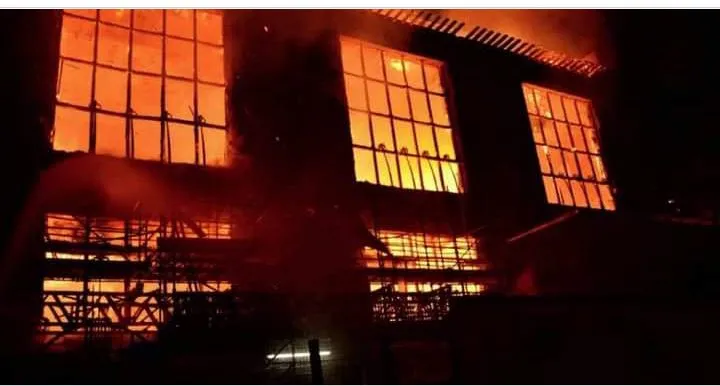
Sixteen girls went to sleep at Utumishi Girls Academy and never returned home. Families are grieving. Dozens were injured. A nation is once again asking the same painful question: how did a school dormitory become a death trap?
If someone deliberately started the fire, justice must be served. Arson is not protest—it is violence. It destroys lives, families, and futures. But justice after tragedy is not enough. Kenya must also ask: what are we missing before tragedy strikes?
The Early Warnings We Ignore
School fires and unrest rarely start with the first spark. They begin much earlier—in ignored complaints, fear, humiliation, overcrowded dormitories, weak supervision, poor communication, and students who feel they have no safe way to be heard.
This is not new. Kenya has mourned at Kyanguli, Moi Girls, Endarasha, and now Utumishi. Different schools, different years, same question: why do we only react after children are dead?
The easy answer is “indiscipline,” but it is incomplete. Yes, order and discipline matter—but discipline without listening creates resentment, authority without care breeds fear, and academic pressure without support triggers breakdown. When students feel invisible or trapped, schools become emotional pressure cookers.
Education officials have already highlighted harsh discipline, exam stress, poor communication, and weak student engagement as drivers of unrest. Meanwhile, research shows adolescent mental health in Kenyan schools is alarming. One study found that over half of learners in rural public secondary schools show signs of probable depression.
Schools track attendance, exam scores, fees, and meal plans—but why not track student distress?
Changing the Narrative: Prevention Over Reaction
Prevention must start with listening. Every school should provide safe ways for students to report bullying, fear, mistreatment, stress, substance use, grief, and conflict. Teachers need training to recognize distress hidden behind “bad behaviour.” Principals need early-warning systems before tension escalates. Parents must be involved before a crisis calls them in shock.
Safety is more than locks and alarms. A dormitory with locked exits, barred windows, overcrowding, or poor fire preparedness is a failure. So is a school where counselling is symbolic, distress is punished, and students feel invisible. These are not separate problems—they are symptoms of a system that fails to see the learner.
Kenya now needs a national school well-being and safety reset:
Audit dormitory safety immediately – check exits, congestion, supervision, and fire preparedness. No child should sleep in a room they cannot escape.
Run regular student well-being checks – identify distress early, respond before it becomes violence, self-harm, or unrest.
Reform guidance and counselling – train professionals, establish referral pathways, provide anonymous reporting, and follow up.
Give students a voice – barazas, grievance systems, and peer support structures must be treated as early-warning systems, not threats to authority.
Programs like Mindful for Schools by Thalia Psychotherapy are already showing the way: mental health screening, teacher training, student support, professional referrals, parental engagement, and data-driven well-being checks help schools act before crises erupt.
The Fire Alarm Is Ringing
Kenya must stop waiting for smoke to ask what is burning inside our schools. Our children need schools that teach, protect, listen, and see them. If we fail to build these schools, we will continue mourning after the flames.