 Gerald Kyalo. (geraldbway).
Israel and Lebanon Renew Fragile Ceasefire Amid Ongoing Hezbollah Tensions, Pilot Security Zones to Be Established
US-Mediated Agreement Aims to Prevent Further Escalation Between Israel and Hezbollah in Southern Lebanon
Israel and Lebanon have agreed to renew their fragile ceasefire and establish “pilot” security zones in southern Lebanon, barring Hezbollah operatives, the US State Department announced on Wednesday. The agreement, reached after the fourth round of US-mediated talks, comes amid escalating violence that has killed thousands and displaced over a million people.
The joint statement emphasized that the agreement is contingent on a complete cessation of attacks by Hezbollah, the Iran-backed armed group that dominates Lebanon’s political and military landscape. It also reaffirmed the three countries’ rejection of any attempts—by state or non-state actors—to hold Lebanon’s future hostage.
The renewed ceasefire follows a partial truce announced earlier this week, in which Lebanon agreed that Israel would refrain from bombing Beirut in exchange for Hezbollah suspending attacks on Israeli territory. The US will help guide the creation of pilot zones under exclusive Lebanese Armed Forces control, though the locations and operational details of these zones remain unspecified.
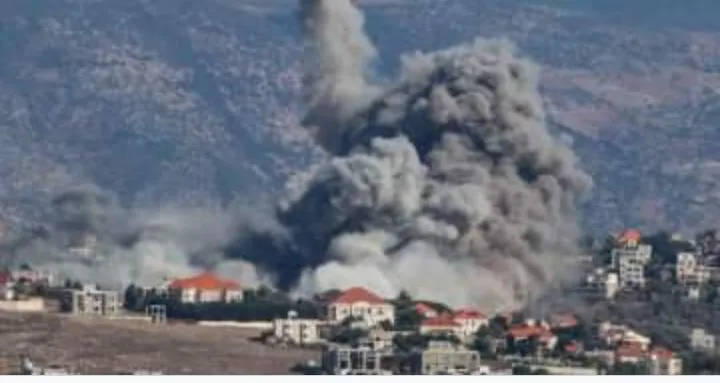
The agreement comes after weeks of intense conflict: Israeli strikes in southern Lebanon killed at least nine people on Wednesday, while Hezbollah fired rockets into northern Israel. Lebanese state media reported continued Israeli attacks, including strikes that killed paramedics and targeted ambulances—actions condemned by Lebanon’s health ministry as violations of international humanitarian law.
Hezbollah, a Shia Muslim militia, political party, and social movement, has built a military force stronger than Lebanon’s national army with Iranian support. It has been involved in multiple conflicts with Israel and is designated a terrorist organization by Israel, the US, and the UK.
Far-right Israeli National Security Minister Itamar Ben-Gvir criticized the agreement, calling it a “serious mistake” that could strengthen Hezbollah. Meanwhile, Lebanon’s military reported strikes on its soldiers and vehicles, denouncing what it described as deliberate targeting by Israeli forces.
The two nations will resume negotiations on 22 June to work toward a comprehensive peace agreement. However, Hezbollah’s political council has questioned the legitimacy of the talks, asserting that the group does not recognize any decisions made during the Washington meetings.
The conflict, which escalated in March following Hezbollah rocket attacks in retaliation for an Israeli strike that killed Iran’s supreme leader, has already claimed at least 3,516 lives in Lebanon, according to the country’s health ministry. Israel reports 26 soldiers and four civilians killed. The United Nations estimates over one million Lebanese have been displaced due to the conflict, with Israeli evacuation orders covering more than an eighth of the country.
As tensions remain high, US officials and regional powers continue to push for a ceasefire that could prevent further escalation, while Iran has warned it is prepared to resume military action if Israel continues to target Beirut.